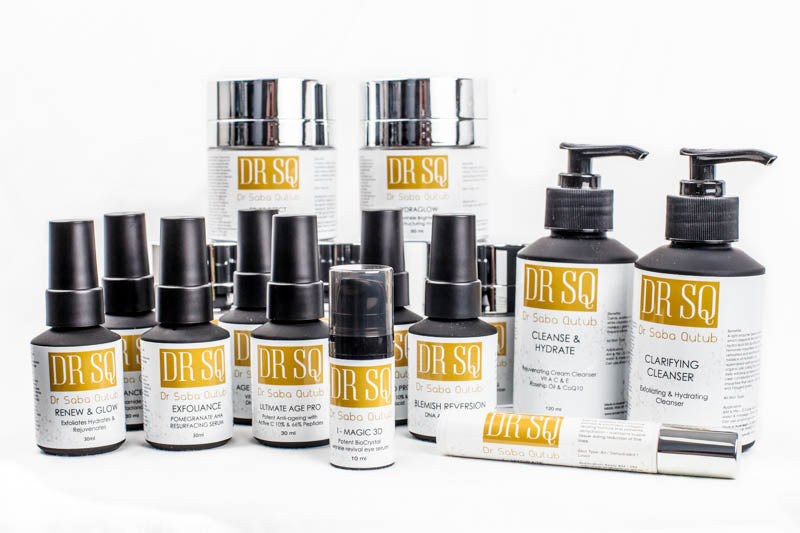

Skincare
View all-

Skincare Routine with Salicylic Acid
DR SABA QUTUBSalicylic acid works exceptionally well for oily skin, especially if you are dealing with too much grease and associated acne....
Skincare Routine with Salicylic Acid
DR SABA QUTUBSalicylic acid works exceptionally well for oily skin, especially if you are dealing with too much grease and associated acne. You are likely aware that salicylic acid is readily available in different formulations to incorporate into your skincare routine. But which is the most effective way to get the best out of it? Using a salicylic acid product alone may not be enough. You need a well-maintained skincare routine and some changes in your daily lifestyle habits to control excess sebum and manage existing acne. This blog will help you to understand and use salicylic acid for your skin type and which skincare products would work effectively for you. What is Salicylic Acid Salicylic acid is one of the most well-known BHAs (beta-hydroxy acids). It belongs to salicylates, a class of ingredients, and is obtained from the willow bark. This is a mild exfoliating skincare ingredient that favours oily and breakout-prone skin the most. By penetrating deep into your skin layers, it dissolves excess sebum that can clog your pores and cause acne. How to Use Salicylic Acid Using salicylic acid appropriately can be a little tricky if you are a beginner. You may struggle with when to use it and how much product will work for your skin. Follow the below-mentioned tips to help yourself with salicylic acid in your routine. Start with a low concentrationWhile excitement about finding the right ingredient is overwhelming and understandable, you must limit yourself to the lowest concentration to know if it works for your skin type. Use on clean skinCleanse your skin properly before applying salicylic acid serum. It allows the ingredient to penetrate the pores more effectively and target excess oil, dead skin cells, and congestion. Ensure you apply SPF every daySalicylic acid can make your skin more sensitive to sun exposure because it is an exfoliating acid. Applying a broad-spectrum sunscreen can prevent the skin from UV damage. Avoid other exfoliating agentsSalicylic acid itself is an exfoliating active. Combining it with other exfoliating acids can irritate the skin and weaken the skin barrier. Less is moreDon’t fall for the misconception that using more salicylic acid product will do good in less time. In fact, overapplication can either increase dryness or work not at all. Salicylic Acid Benefits Salicylic acid imparts multiple benefits to your skin, especially if you are prone to acne, breakouts, and blackheads. Let’s see how it helps your skin; Salicylic acid has an oil-soluble nature that can deeply cleanse your pores and take out all the dirt and sebum. Salicylic acid an exfoliating acid and can be a game-changer for your skin to mildly shed the dead skin cells. Getting off the dead cells can save your skin from breakouts, blemishes, and uneven texture. It serves as an important treatment for blackheads and whiteheads. Due to its antibacterial and anti-inflammatory properties, it can heal your acne-damaged skin, wounds, and lets you get rid of that shiny, greasy appearance. Which Skin Type Can Use It It’s a myth that only people with oily skin type can use salicylic acid. Salicylic acid is fitting for different skin types, including; Oily skin: It’s a very popular ingredient for oily skin. This acid can be your go-to ingredient to combat greasiness on your skin due to the overproduction of sebum. Normal skin: You can use it as a part of your regular exfoliating routine. It’s a gentle exfoliating agent that can be used one to two times a week, or as recommended by your doctor. Combination skin: People with combination skin can use salicylic acid to target oilier areas, such as the T-zone, while maintaining balance in drier areas. Dry skin: It can also help dry skin by gently removing dead skin cell buildup. However, it should be used cautiously and paired with a thick, creamy, and hydrating moisturiser to prevent further dryness. Sensitive skin: People with sensitive skin should use salicylic acid after discussing it with their doctor. It should be introduced gradually and used in lower concentrations. Skincare Routine with Salicylic Acid Using salicylic acid in your skincare requires discipline. Understand your skin and concerns well, and know what products to try. So let’s see how you can get started. Start with a cleanser to deep-cleanse your pores and prepare your skin to absorb the upcoming products. Do not over-scrub, as it can be harsh on your skin. Continue with a salicylic acid face serum targeting your skin concerns. Take one to two drops for all over the face and neck. Dab gently and let it dry. Use a lightweight, non-greasy moisturiser to keep your skin hydrated from the outside. Choose a non-comedogenic one if you are prone to breakouts. You can end your morning skincare with a broad-spectrum sunscreen with at least SPF 30+ or higher than that. If you are doing the nighttime routine, you can skip the SPF and use an eye cream to complete your skincare regimen. Don't include salicylic acid in every step of your routine. Rather, use one or two products only, or as suggested by your medical practitioner. Skincare Products with Salicylic Acid Salicylic acid is readily available in the market across almost all product types, from serums to body washes, exfoliating masks, and spot treatments, making it extremely easy to find a product infused with salicylic acid and to adjust it at any step of your routine. Cleanser It’s a simple way to introduce salicylic acid into your routine. Go with the mild cleanser with the lowest concentration. This practice doesn’t allow salicylic acid to stay on your skin for long. If your skin is sensitive or reactive and still needs salicylic acid, you can try a gentle salicylic acid cleanser. Serum The most popular product type is serum, where you can target your concern directly. Salicylic acid in this form can be more concentrated. Choosing a serum can be tricky; go with the mild strength and never avoid looking at the other combined ingredients. DRSQ's Repair Serum is blended with 5% salicylic acid along with biomimetic peptide and barrier-repairing botanicals for acne, pigmentation, and blackheads. Moisturiser You can try a salicylic acid-based moisturiser to naturally shed your dead skin cells and get a healthy and radiant complexion. It's a convenient way to reduce redness and breakouts. Take note of the actives present in your previously applied serum so you don’t end up repeating the same ingredients or getting the wrong combinations together. Mask Mask treatment once a week can be effective to get that instant glow and exfoliation boost. It can dissolve oil, leaving the skin thoroughly cleansed. Chemical Peel This is a once-in-a-while practice that can deeply exfoliate, brighten, and reduce inflammation in your skin. It decreases the appearance of post-acne marks and inflammation associated with acne. Exfoliating Pads You don't require physical scrubs but salicylic acid exfoliating pads to enhance absorption and efficiency. They can remove dirt and debris, improve tone and texture to promote smooth skin. Depending on your skin type and concern, you can use exfoliating pads one to three times a week. Body Washes Using a salicylic acid-based body wash can make your skin oil-free, along with helping to maintain the pH balance. It's a good option for healthy skin barrier function and can be used daily. Before You Buy Salicylic Acid Before you start looking for salicylic acid products, here are a few tips to keep in mind; It's highly recommended to talk to your skin specialist/doctor before making a purchase. You can discuss your skin type, concerns, and the right concentration to start from. Always conduct a patch test before using the product, no matter what product you have chosen. If it tingles, rinse the product off your skin with water. Common Side Effects of Salicylic Acid Though salicylic acid is considered a safe option for a wide range of people, you may notice a little irritation and dryness if you have sensitive skin. You can feel itching and peeling skin along with hives and a stinging sensation. If you have used high concentration or frequently, some chemical peels can lead to flaking and peeling of the skin. If your skin is already dry, its prolonged use can make it even drier. A moisturiser should be applied afterwards. Conclusion Salicylic acid is a very popular skincare ingredient used for acne. But its benefits go beyond just acne and oily skin. From controlling the overproduction of sebum to fading the post-acne hyperpigmentation, salicylic acid has your back. It’s easy to find salicylic acid-formulated products, from cleansers to toners, but using more than one or two products with salicylic acid can cause more harm than benefit your skin. References Haibo Liu, Haiyan Yu, Jun Xia, Ling Liu, Guan J Liu, Hong Sang, Frank Peinemann, "Topical azelaic acid, salicylic acid, nicotinamide, sulphur, zinc and fruit acid (alpha-hydroxy acid) for acne", 2020 May Jin Lu, Tianxin Cong, Xiang Wen, Xiaoxue Li, Dan Du, Gu He, Xian Jiang, "Salicylic acid treats acne vulgaris by suppressing AMPK/SREBP1 pathway in sebocytes", 2019 May Tasleem Arif, "Salicylic acid as a peeling agent: a comprehensive review", 2015 Aug Ye Liu, Yanjun Dan, Jiahong Yang, Xiaofeng He, Jingjing Liu, Yi Yi, Xing Chen, Xue Yin, Weina Song, Yueiqng Niu, Yijie Zheng, Yunfei Ai, "Clinical Efficacy of a Salicylic Acid-Containing Gel on Acne Management and Skin Barrier Function: A 21-Day Prospective Study", 2025 Jul
-

What Are Ceramides & Why Do You Need Them
DR SABA QUTUBYour skin needs ceramides to keep its barrier balanced and healthy. Ceramides occur naturally in the skin and associate with...
What Are Ceramides & Why Do You Need Them
DR SABA QUTUBYour skin needs ceramides to keep its barrier balanced and healthy. Ceramides occur naturally in the skin and associate with one another to form a protective skin barrier. However, over time and due to external factors, ceramides in the skin begin to decrease. Here, you need to step up and provide your skin with ceramides to maintain its barrier. This blog will help you to learn about ceramides, how to use them effectively for your skin, and whether you can combine them with other skincare actives. What are Ceramides Ceramides are lipids that constitute more than 50% of your skin. They are highly crucial to maintaining your skin barrier. The skin barrier, furthermore, is important to your skin’s overall health, including how it deals with infections and conditions. They are found in the outermost layer of the skin and help against moisture loss and environmental damage to the skin. How Ceramides Help the Skin Ceramides do much more than simply sit on the skin's surface. Here are some of the key ways ceramides benefit the skin. They hydrate your skin deeply by reducing transepidermal water loss. If you keep using ceramides for a healthy period, they can make your skin supple, soft, and plump. Ceramides strengthen the skin barrier. They do this by holding the cells of the skin together. This increases the structural integrity of your skin. A strong skin barrier behaves as a first line of defense against external irritants, including pollution and harsh weather. Individuals struggling with sensitive skin can find help with ceramides. They can calm the signs of sensitive skin, like inflammation, flakiness, and stinging sensations. Ceramides can contribute to a smooth texture and tone by balancing the optimal levels of hydration in the skin. What Happens When Your Skin Lacks Ceramides? As you age or when you face constant aggressors, your skin tends to lose its natural ceramides. A skin with a weakened barrier can lead to excessive dryness, itching, and redness, caused by a lack of hydration in the skin layers. This can make your protective barrier weak and invite skin conditions, like rosacea, eczema, and dermatitis. This also makes your skin vulnerable to allergies, bacterial infections, and pollutants. If your skin stays depleted of ceramides for long, it can accelerate the ageing signs, such as wrinkles and fine lines. This is when you need enough ceramides externally through your skincare to maintain their levels in the skin. What Causes Ceramide Loss in The Skin Ageing is one of the major contributors to the decline of ceramides in the skin. Environmental factors such as UV exposure, pollution, and harsh weather conditions can also damage the skin barrier and reduce ceramide levels. Also read: How to Exfoliate Without Compromising Your Skin Barrier Some lifestyle habits and skincare practices also impact ceramide levels. Over-exfoliating your skin, using harsh abrasives, and cleansing excessively can also compromise your skin barrier over time. Can You Use Ceramides with Retinol Yes, ceramides and retinol can be used together. They complement each other in targeting ageing signs and are often recommended as an effective skincare combination to fight unhealthy skin. Retinol is a popular anti-ageing ingredient that helps with collagen production. But using retinol consistently can cause dryness in the skin, which can be taken care of by ceramides. Ceramides maintain the moisture that further prevents loose skin and fine lines. However, it’s recommended to ask your doctor to advise you on the best. Can You Combine Ceramides with Vitamin C You can combine ceramides with vitamin C for a smoother complexion and glowing skin. Vitamin C is an antioxidant that reduces the appearance of dark spots while protecting the skin from environmental damage. On one hand, vitamin A works to brighten your skin, whereas ceramides help keep the skin from losing moisture. This combination can work for almost all skin types. But those with sensitive skin should consult their doctor before introducing any new combination into their routines. Many people use vitamin C serum first, followed by the ceramide moisturiser. Can You Mix Ceramides with Hyaluronic Acid For people seeking hydration-focused skincare combinations, ceramides and hyaluronic acid are often considered one of the most effective duos. Hyaluronic acid has the ability to attract and bind water to the skin, while ceramides retain this moisture within the skin. Well-hydrated and balanced skin can fight infections better, keep aggressors away, and take less time to show the ageing signs. This combination is useful for all skin types, including sensitive and reactive skin. How to Use Ceramides for Your Skin Type For oily or combination skin, ceramides are required by all skin types. After all, all skin types need a healthy barrier. Dry Skin People with dry skin can benefit from ceramides to fight flakiness, redness, and rough patches on the skin. You can use thick, creamy ceramide moisturisers to use at the end of your routine. Oily Skin Oily skin needs moisture as much as other skin types. A lightweight and gel-based ceramide formulation can be preferred for oily, greasy skin types. Combination Skin Finding the right product for combination skin can be tricky. Try balanced formulations specifically made for your skin that do not overwhelm your oily areas. Sensitive Skin Go with less irritating formulations with skin-soothing ingredients like aloe vera alongside ceramides. For many people, creamy moisturisers work to mitigate redness, itching, and irritation. How to Add Ceramides to Your Skincare Adding ceramides to your skincare is absolutely simple. The easiest way is to choose a ceramide moisturiser. But you can definitely opt for serums, creams, and even some cleansers. If you are facing premature ageing and extreme dryness, a ceramide serum can provide additional help. Consistent use is key, as regular replenishment helps maintain a healthy skin barrier. Apply ceramide products to slightly damp skin can help lock in hydration more effectively. Eye Magic Night Balm Your eye area needs attention and care just as other parts of your face, but it is often neglected. Ceramides can also provide intense moisture to recover the dry, flaky eye area. Eye Magic Night Balm is infused with ceramides, hyaluronic acid, and peptides to reduce under-eye bags and associated puffiness. It firms the delicate eye area, lubricates the dryness, restores volume, and targets ageing signs. Take one to two pea-sized amounts after cleansing your skin with a gentle facial cleanser, serum, and moisturiser, and you’re done for the day. Should You Use Ceramides in Your Morning or Evening Routine Ceramides can be used both morning and evening, as they are one of the most versatile and easy-to-use skincare ingredients available for all skin types. If you use ceramides in the morning, they can strengthen the skin barrier and protect the skin against environmental stressors such as pollution and dry air. Use them before sunscreen to stay hydrated throughout the day. In the evening, ceramides support the skin's natural repair processes while you are asleep and help restore moisture lost during the day. You can increase the effectiveness of ceramides by pairing them with active ingredients such as retinol or hyaluronic acid. Conclusion Ceramides are one of the building blocks of the skin. They are crucial to prevent moisture loss, provide deep hydration, and strengthen the protective barrier of the skin. By the time they can be reduced in the skin; hence, you need a healthy skincare routine with a ceramide-infused product. Combine them with hyaluronic acid, vitamin C, or retinol to double the benefits and witness smoother, stronger, and brighter skin complexion. References Jennifer Schild, Aneta Kalvodová, Jarmila Zbytovská, Mike Farwick, Cornelia Pyko, "The role of ceramides in skin barrier function and the importance of their correct formulation for skincare applications", 2024 Aug Tze Lek Yong, Rahela Zaman, Navedur Rehman, Chung Keat Tan, "Ceramides and Skin Health: New Insights", 2025 Feb Luisa Coderch, Olga López, Alfonso de la Maza, José L Parra, "Ceramides and skin function", 2003 Weihao Huang, Jiahui Liu, Lunxuan Zhao, Huaming He, "Function of ceramides in the skin and its relationship with skin disease", 2025 Nov
-

Skincare That Delivers: DRSQ’s 2026 Award Wins
DR SABA QUTUBWe are extremely proud to announce that DRSQ Skincare has been recognized at the Beauty Shortlist Awards. Beauty Shortlist Awards...
Skincare That Delivers: DRSQ’s 2026 Award Wins
DR SABA QUTUBWe are extremely proud to announce that DRSQ Skincare has been recognized at the Beauty Shortlist Awards. Beauty Shortlist Awards are one of the most prestigious, industry-trusted, and independently judged award programs. DRSQ Skincare is proud to share that DRSQ has successfully bagged seven wins, including a coveted Editor's Choice, across eye care, serums, moisturisers, and SPF. Our Award-Winning Products 1. Advanced Repair Rejuvenating Night Cream – Best Night Cream (Age 50+) DRSQ Advanced Repair is an advanced rejuvenating night cream, formulated with highly potent active ingredients, including antioxidants, lipids, and vitamins. Sh-Oligopeptide-1 (EGF) stimulates collagen and improves elasticity, reduces wrinkles, and prevents inflammation. Palmitoyl Oligopeptide & Palmitoyl Tetrapeptide-7 activate the natural collagen production in the skin, and Cocos Nucifera Fruit Extract increases the vitamin absorption and minerals in the skin. Why It Won Advanced Repair is the ultimate DNA-reconstructing moisturising night cream. It brightens the skin, reduces pigmentation, and acts as a complete age reversal complex for dry skin. Individuals after 50 tend to lose moisture and elasticity, and the Advanced Repair moisturiser is formulated to work in sync with the skin's natural repair cycle and targets dullness, puffiness, and fatigue. 2. Skin Bright Anti-Pigmentation Brightening Serum – Best Corrective Serum Made with biomimetic peptides, UV filters, 5% niacinamide, and 2.5% vitamin C, Skin Bright is a pigment-lightening and brightening serum to inhibit pigment formation and make skin smoother. Tetrapeptide-30 diminishes hyperchromatic spots and reduces acne lesions, mandelic acid fights photo-aged skin, and hyaluronic acid deeply hydrates the skin. Why It Won Skin Bright is a powerful blend of potent skincare actives that work synergistically to fade UV-induced pigmentation and strengthen the skin in the process. This formulation is superior to what we see generally in the market, in terms of how it works. It dares to address what other serums avoid: hormonally induced melasma. It can exfoliate gently without irritating the skin, and combats ageing concerns beyond brightening. 3. Miracle Pro Vitamin Serum with 0.5% Retinal – Best Retinal Serum Miracle Pro Vitamin is an age-defying night serum that contains vitamins A, B, and C, as well as peptides. If you're someone already experienced with vitamin A and looking for an upgrade, Miracle Pro Vitamin is totally good to go. By stimulating collagen production, our serum improves skin elasticity and firmness. Why It Won Miracle Pro Vitamin stood out among others because it has 0.5% retinaldehyde to address all aspects of ageing, including loose skin, fine lines, and wrinkles. Apart from that, Miracle Pro Vitamin shone because it suits every skin type, even sensitive and reactive skin types, including those with conditions like rosacea and dermatitis. 4. Advanced Repair Rejuvenating Night Cream – Best Night Cream (Age 60+) Advanced Repair bagged another award in the Beauty Shortlist Awards 2026 for the Best Night Cream for people aged 60+. This DNA-constructing cream is suitable for all skin types. The formulation has an exceptional composition that interacts with the human skin and promotes healthy barrier function in aged skin. Why It Won Skin aged 60+ needs more special care and attention, and that care cannot be given by an ordinary cream. This night cream of ours has been specially made to maintain aged skin. It does not contain harmful additives, and it is also fragrance-free, so it gives you only pure care. 5. Eye Magic Overnight Recovery Eye Balm – Best Overnight Eye Treatment This overnight recovery eye balm is an eye serum with liquid crystals and PBN extract to deeply nourish the eye area, accelerate ageing signs, and restore volume. It also helps with dark circles. It is infused with ceramides, peptides, and hyaluronic acid, combined with silk extract and rice bran oil to transform your skin into a youthful appearance. Why It Won Just one to two pea-sized amounts of Eye Magic eye serum can lubricate the dryness. It is a formula built for the eye area's most specific and demanding needs. Every ingredient in the Eye Magic serum is specifically and thoughtfully chosen for what the skin can absorb and repair during your sleep time. 6. Skin Protect Illuminating Moisturiser with SPF 35+ – Best Daily SPF Product Skin Protect is made with 10% zinc oxide, 15% titanium dioxide, niacinamide, vitamin C, and peptides. By fortifying the skin with a luxurious, non-greasy feel, Skin Protect is suitable for all skin types. It creates a physical barrier to UV absorption and guards against premature ageing. Why It Won A moisturiser that protects your skin from the sun responsibly is not easy to find. This is not just an SPF moisturiser in name, its formulation works synergistically to help protect your skin from dryness, inflammation, wrinkles, and signs of premature ageing. That’s how our Skin Protect earned the jury’s trust and secured its place among the winners. 7. Starter Vitamin A Serum With 0.25% Retinal – The Editor’s Choice Winner This is a potent vitamin A serum with 0.25% retinaldehyde or retinal, ideal for vitamin A beginners. In combination with niacinamide, hyaluronic acid, and tetrapeptide-30, Starter Vitamin A targets the everyday signs of ageing, diminishing fine lines, wrinkles, and pigmentation. It boosts the skin's collagen production to make ot plumper and softer, and serves the skin gently even for rosacea and sensitive skin sufferers. Why It Won Our retinaldehyde strength is 0.25%, designed to work faster than standard retinaldehyde available in the market. It is suitable for all skin types, and just 2–3 drops are enough for the face and neck. What Makes DRSQ Skincare Stand Out DRSQ Skincare believes in honest skincare for all. All of our formulas and ingredients are scientifically backed and dermatologically tested before they reach you. We use high-performing skincare actives in specific concentrations to benefit your skin and its concerns. A doctor-led expertise adds authenticity and trust to DRSQ skincare and gives real and visible results. Our products are free from harmful additives to protect your skin and are completely cruelty-free. We’re proud to be recognised at the Beauty Shortlist Awards and remain committed to continuously evolving and delivering clean skincare.


ACNE
View all-

Your Complete Guide to Vitamin C for Acne-Prone...
DR SABA QUTUBIf your acne and dull skin are holding you back from feeling your best, it's time to upgrade to vitamin...
Your Complete Guide to Vitamin C for Acne-Prone...
DR SABA QUTUBIf your acne and dull skin are holding you back from feeling your best, it's time to upgrade to vitamin C. Known for its role as an antioxidant in skincare, vitamin C can make a difference to your oily and acne-prone skin, associated redness, and inflammation. Stay with us to discover the science behind vitamin C for acne-prone skin, which derivative is most useful, and how to incorporate it into your skincare routine. What is Vitamin C Vitamin C is water-soluble and a popular ingredient used in cleansers, moisturisers, serums, and other skincare products and cosmetics. It's a potent and powerful antioxidant that protects the skin against environmental damage and free radicals. Popularly available as ascorbic acid, vitamin C is also available in various derivatives for similar concerns. Can Vitamin C Reduce Acne & Breakouts Vitamin C has antioxidant and anti-inflammatory properties that soothe acne and breakouts. Furthermore, oxidative stress is responsible for triggering acne; vitamin C fights free radicals that decrease this oxidative stress in the skin. Moreover, its anti-bacterial properties may prevent the acne-causing bacteria from settling on the skin. Furthermore, vitamin C can stimulate collagen production in the skin, which aids in skin repair and reduces post-acne marks, including post-acne hyperpigmentation. How Does Vitamin C Help Acne-Prone Skin Now that we know vitamin C has some remarkable effects on your acne. Let’s explore them in detail. Soothes Inflammation Due to its anti-inflammatory effect, vitamin C can soothe inflammation and reduce redness associated with acne. Oxidative stress can exacerbate acne-related inflammation, and regular use of vitamin C can control that. It inhibits pro-inflammatory cytokines and reduces swelling in skin, whether it is sensitive, oily, or acne-prone. Evens Out the Skin Tone Collagen is a crucial skin protein that imparts structure to the skin. Vitamin C can stimulate collagen production in the skin and restrict tyrosinase, an enzyme responsible for melanin production. This leads to brighter, evenly-toned skin with fewer dark spots. Addresses Roughness Acne-prone skin may feel rough and bumpy due to clogged pores and dead skin buildup. Mild exfoliation can shed those dead cells, making your skin feel smooth. Regular use of vitamin C can improve the production of barrier lipids in the skin, which helps to stimulate collagen production and remove dead skin cells. Improves Texture After acne leaves your skin, it might disrupt the skin’s texture, leaving rough patches, enlarged pores, and even a few bumps. Vitamin C can smooth out irregularities in the skin so it gets back to its normal. It can accelerate cellular turnover and prevent further congestion of the skin. Prevents Post-Inflammatory Hyperpigmentation Extended periods under the sun and acne can result in post-inflammatory hyperpigmentation or PIH. Your skin exhibits a condition that may last for months. But vitamin C can diminish these dark spots if you stay consistent with its use. Wear sunscreen during the day to save your skin from unwanted UV exposure. The Science Behind Acne-Prone Skin Oily skin and acne-prone skin are not the same. Oily skin increases the chances of developing acne blemishes due to excessive oil or sebum production. When sebum gets mixed with dead skin cells and dirt, it can clog pores, and different types of acne can appear. Moreover, acne-causing bacteria feed on this trapped sebum, which further triggers inflammation in the skin. If this condition is left untreated, it can lead to stubborn acne marks. There are certain causes behind acne-prone skin, including, Genetics: If you have genetically acne-prone skin, you will have to take extra precautions to avoid occasional breakouts. Hormonal imbalances: Different physical and mental conditions, such as stress, puberty, and menstruation, can trigger oil production in the skin, giving rise to acne. Dietary choices: Oily and spicy food or too much chilli can contribute to acne-prone skin. Moreover, high-glycemic foods and dairy can also cause acne. Face masks: If you wear face masks for extended durations, you are unintentionally inviting acne. Masks can trap the bacteria and sweat inside pores, leading to acne lesions. How to Add Vitamin C to Your Skincare Routine You cannot be random with vitamin C or any skincare ingredient, and it must be incorporated into your skincare routine with extra care. Here's how you can use it optimally; Start with Cleansing Opt for a mild cleanser to remove all the dirt and sebum from your skin. It transforms your skin into a clean canvas for better absorption of vitamin C. DRSQ's Clarifying Cleanser is a soap-free formula with 2.5% AHA. It gently exfoliates the skin to remove debris and dirt, restores hydration, and addresses pigmentation. Use it as your daily cleanser in your morning and nighttime routines to combat blemishes, acne, and clogged pores. Target with Vitamin C Serum Apply a few drops of a vitamin C serum. Press it gently on your face and neck and let it absorb fully before the next step. Ultra C is a 25% vitamin C serum with 15% peptides and 2% ferulic acid. It's a potent formula that treats hyperpigmentation and all aspects of ageing, and gives your skin a much-awaited boost. This serum shields your skin from harmful UV rays; however, SPF is required. Seal with a Moisturiser Lock in hydration with a non-comedogenic moisturiser formulated for oily and acne-prone skin. A lightweight and non-greasy moisturiser can support your skin's barrier, keep it healthy and nourished. Yet, you must be mindful that; If you are already following a skincare routine for oily skin, making minor changes will help. Avoid harsh sulphates and alcohol-based ingredients in your skincare products as they can worsen the condition. Vitamin C and hyaluronic acid can be best paired to experience significant benefits for acne-prone skin. Should You Apply Vitamin C in the Morning or at Night Vitamin C offers superior results when applied in the morning due to its antioxidant properties. It guards against environmental aggressors like pollutants and UV rays and also reinforces the defence provided by sunscreen. Pair it with an SPF30+. While you can use vitamin C at night, its interaction with other skincare ingredients like retinaldehyde can increase the skin's sensitivity and cause irritation and itching. Nevertheless, it is recommended to take your doctor's advice before using it. They can suggest the best ways, appropriate pairings, concentration according to your concerns, and derivatives. Picking the Right Vitamin C Derivative for Acne Not all forms of vitamin C are identical. It has different forms in potency and sensitivities while offering similar purposes in skincare. L-Ascorbic Acid: This is the most common form of vitamin C and is widely used in several skincare products. It's highly preferred due to the comprehensive research done on it, and it may help with the rejuvenation and repair process of the skin. Sodium Ascorbyl Phosphate: It is a mild form of vitamin C that causes very little irritation, even to skin that has never been exposed to vitamin C before. Compared to other forms, it can soothe rosacea and acne-prone skin while being gentle. Ascorbyl Palmitate: This is a fat-soluble derivative of vitamin C. This form balances antioxidant protection and stability, making it an ideal choice for irritated skin. If you have sensitive skin, ascorbyl palmitate can provide relief. Being less vulnerable to degradation, it has a good shelf life. Having said that, it is less potent than L-ascorbic acid. Magnesium Ascorbyl Phosphate: If your skin is dry and acne-prone, this form can be suitable for you. It fights acne while hydrating the skin from within. However, any skin type requires hydration, so feel free to opt for this one. Ascorbyl Tetraisopalmitate: It has the intense capability to go deeper into the lipid layers of your skin. This form is stable and oil-soluble. Though it was discovered later than L-ascorbic acid, it was found suitable for all skin types, including sensitive. Does Vitamin C Clog Pores Vitamin C can help regulate sebum production in your skin. This can mitigate the clogging of pores and the formation of acne and breakouts. However, some vitamin C formulations with comedogenic oils or heavy ones can clog your pores. So, it's crucial to look for the added components or ingredients along with vitamin C. Look for lightweight, non-comedogenic, and oil-free formulas to avoid skin congestion. Ascorbyl tetraisopalmitate is gentler and more effective on acne-prone skin. Remember to perform a patch test rather than directly beginning with the product. The Big Picture Vitamin C works well for oily and acne-prone skin if used appropriately. It manages sebum production, does not clog your pores, and helps with collagen production, brightening, and UV protection. Always opt for the right vitamin C derivative to infuse in your acne-prone skin. A medical practitioner can help you the best in this scenario. Moreover, it is important to remind yourself that good things take time. Vitamin C can give the desired results if you are consistent and patient. References: Lehlohonolo Makhakhe, "The role of vitamin C on the skin", 2025 Jul Juliet M Pullar, Anitra C Carr, Margreet C M Vissers, "The Roles of Vitamin C in Skin Health", 2017 Aug S J Padayatty, M Levine, "Vitamin C: the known and the unknown and Goldilocks", 2016 Sep G E MORRIS, "Use of vitamin C in acne vulgaris", 1954
-

What is Sebum and How Does it Affect Acne?
DR SABA QUTUBSome people may experience a glossy complexion a few hours after washing their faces. This is due to an oily...
What is Sebum and How Does it Affect Acne?
DR SABA QUTUBSome people may experience a glossy complexion a few hours after washing their faces. This is due to an oily substance called sebum. The overactive sebaceous glands produce excessive sebum, and that’s what makes their skin look shiny. Sebum gets blended with the tiny particles in the air, sweat, and dead skin cells and leaves a greasy residue on your skin’s surface. Though it is often misperceived as a proven good substance for your skin, it can cause acne, blemishes, and difficult-to-manage oily skin. In this blog, we will explore what you need to know about sebum and how it triggers acne and acne scars. What is Sebum Sebum is an oily substance produced by the sebaceous glands of the skin to protect your skin against bacteria, external aggressors, including ultraviolet rays, and other probable infections. These glands are present all over your body, especially around your hair follicles in the dermis, the second layer of the skin, in large numbers. Majorly, they appear on your scalp and face, everywhere where the hair follicles exist, except for the soles and palms. Talking about its composition, sebum is 57% triglycerides, 25% wax monoesters, 13% squalene, 3% cholesterol esters, and 2% cholesterol. It's a natural oil to protect your skin's barrier and increase moisture. How Does Sebum Help Your Skin A study reveals that sebum lubricates and protects the skin against friction and provides anti-inflammatory and antioxidant benefits. Sebum possesses fatty acids and creates an oily thin layer on your skin, which may act as a natural moisturiser that keeps your skin hydrated, plump, and soft. However, scientists are still studying the detailed functions of sebum. It’s lubricating, and without enough sebum, your skin may become very dry, rough or flaky. The pH of the sebum is around 4.5 to 6.0, which is ideal to defend against bacteria, fungi, and other microorganisms. By forming a thin oily layer, it reduces the trans-epidermal loss, and shields your skin from pollutants and bacteria, Staphylococcus aureus. This bacterium is responsible for causing staph infections and atopic dermatitis. According to some skin experts, sebum may guard you against UVA rays because it contains Squalene. What Causes Sebum Overproduction Sebum overproduction happens when your sebaceous glands become hyperactive and produce excessive sebum. Various factors contribute to this overproduction, including internal and external ones. One of the most significant ones is hormones. You may have seen people in their adolescence experiencing a lot of sebum when they undergo puberty, menstruation, and pregnancy. A few types of hormonal disorders, including testicular and ovarian, can also cause overproduction of sebum. Then there are environmental factors like intense heat and humidity. People with oily skin tend to produce more oil during summer. Oily skin is passed through genetics, too. Also, your diet, lifestyle, and medicines contribute to your hormones and sebaceous activity. Refined carbohydrates must be avoided. Birth control pills and hormone replacement therapy might be encouraging your sebaceous glands to produce excess sebum. What are Sebaceous Filaments Sebaceous filaments are thread-like outgrowths or projections lining your sebaceous glands, helping the movement of oil from the glands toward your skin’s surface. Sebaceous filaments are healthy elements and not contagious. They can become more remarkable with your skin produces more oil. People may confuse blackheads with sebaceous filaments because they look similar in appearance. But they not certainly not the same. Blackheads are a type of acne with plugs, while sebaceous filaments are not. They are identified as flattened dark spots, appearing greyish or brownish in colour. We all possess sebaceous filaments. Sebaceous filaments typically appear around the nose, forehead, and chin, but they’re not limited to just the face. They can also show up on areas like the chest, back, and sometimes even near the breasts. Does Sebum Cause Acne Yes, sebum can cause acne. It is one of the primary contributors to acne blemishes. When the sebaceous glands produce a lot of sebum, it gets mixed with the dead skin cells, and sometimes bacteria too, on the skin to clog pores. When the sebum gets combined with the dead skin cells, it forms a sticky plug that blocks the opening of the hair follicle on the skin. So sebum can be responsible for producing any kind of acne, including blackheads, whiteheads, pustules, etc. People with oily skin may have to deal with enlarged pores more often. How to Control Sebum Production Though it is not an easy task to control the levels of your sebum production, it is highly necessary to have a balanced complexion. Too much sebum can make your skin look greasy, dark, and tired all the time. It is not an overnight task and requires consistency and patience to achieve positive results. The biggest mistake people make is to sleep with their makeup on; this affects the skin and may contribute to the oil production. Make a rule and never sleep with your makeup. Watch what you eat as diet does have a direct impact on your face. Adopt healthy eating habits, and avoid high-cholesterol-rich foods and carbohydrates. Add green leafy vegetables, fruits, dry fruits, and lots of water in addition to your daily meals. This may be a temporary solution to maintaining oily skin, but it definitely works. Use a gentle cleanser to get rid of sebum and dirt. Never ignore your mental health conditions. It reflects on your hormones, skin, and overall well-being. Feel good about yourself, your skin. Skincare Routine to Combat Excessive Sebum A nutritious diet and healthy, happy hormones can make a difference; you must follow a disciplined skincare routine to get rid of that sticky, greasy substance on your skin. Step 1: Start washing your face with a gentle cleanser. Clarifying Cleanser from DRSQ is a detoxifying acne wash that comes with lactic acid, glycolic acid, activated charcoal, and tea tree oil to help you get rid of your acne while cleaning your pores thoroughly. It prepares your skin for the upcoming products. Step 2: Put on Acne Clear serum enriched with vitamin A, vitamin B3, and AHA to restore radiance to your skin while promoting oil-free and acne-free skin simultaneously. With 0.5% retinaldehyde, this serum can target acne and promote the cellular renewal of your skin. Step 3: Break the myth and moisturise. It’s a common misconception that oily skin doesn’t need a moisturiser. Let that be a myth only. The more you keep your oily skin dry, the more it will produce oil to combat roughness. Choose a lightweight, gel-based product from DRSQ’s range of moisturisers. Read more: Combat Acne Through an Effective Skincare Routine Conclusion Sebum is a natural component secreted by the sebaceous glands, and it is necessary. They help the skin retain moisture and protect it from microbial and fungal infections. But the overproduction might be frustrating as it gives you an oily and greasy appearance all the time. You can take control of your excessive sebum production up to a good extent by opting for healthy lifestyle choices, a good diet, and maintaining a proper skincare routine. References: Karen Vanderwolf, Christopher Kyle, Christina Davy, "A review of sebum in mammals in relation to skin diseases, skin function, and the skin microbiome", 2023 Dec Karan Agrawal a,b, Lauren A Hassoun c, Negar Foolad c, Kamil Borkowski b, Theresa L Pedersen d, Raja K Sivamani c,e, John W Newman, "Effects of Atopic Dermatitis and Gender on Sebum Lipid Mediator and Fatty Acid Profiles", 2018 May Da Jung Jo, Joo Young Shin, Seong Jin Na, "Evaluation of changes for sebum, skin pore, texture, and redness before and after sleep in oily and nonoily skin", 2022 Oct In Soon Jung, Sook Jung Yun, Jee-Bum Lee, "The Difference in Sebum Secretion Affecting Development of Acne", 2019 July
-
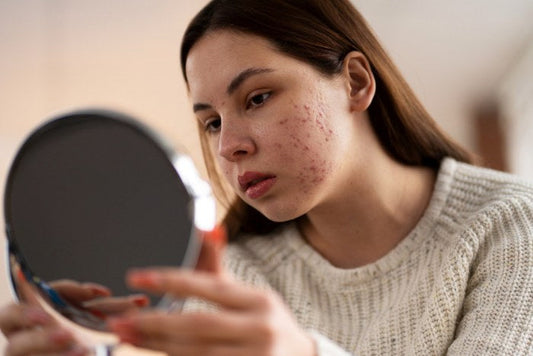
Acne Scars: Types, Prevention, and Treatment
DR SABA QUTUBAcne comes and goes, but what's truly bothersome are the lingering acne scars. They serve as a constant visible reminder...
Acne Scars: Types, Prevention, and Treatment
DR SABA QUTUBAcne comes and goes, but what's truly bothersome are the lingering acne scars. They serve as a constant visible reminder of past acne breakouts affecting your self-esteem and eroding your confidence. It’s good when they leave quietly, but even if they persist, there is no need to worry about how to get rid of acne scars, as various treatment procedures are available. However, the improvement is slow-paced, and you have to be patient. There is no one-size-fits-all solution for acne scars, and the first step to treating them is knowing their types and causes. In this blog, we will discuss everything you need to know about acne scars before starting your treatment. How Do Acne Scars Appear Sometimes, inflamed lesions break at the dermis level and cause acne scarring. Acne breakouts don’t only damage the appearance of the skin but penetrate the deep layer to damage the tissue and the skin there. After the acne disappears, the body tries to combat this damage and produces collagen. A scar appears when the body generates too little or too much collagen. Different kinds of scars also depend upon the amount of collagen being produced. When Do You Get Scars It cannot be determined who gets scars and who will not. But some conditions increase the probability of having those terrific little digs on the skin. If you pick or pop your acne: People have this habit of picking their acne, especially when there is an event coming on and they have this pressure of being the most good-looking. If your acne is inflammatory: Among all forms of acne, cysts and nodules tend to go deeper into the skin, and if you’re experiencing these kinds, you may develop scars. If it’s in your genes: If your parents or any blood relatives have this tendency to get those acne scars, you might have to face them too. If you’re dealing with acne for longer durations: If you’re struggling with acne for longer periods and you are delaying the treatment, you may get scars. Types of Acne Scars If you have developed scarring, don't panic. Seek treatment, but before starting, be sure to identify your scar type. Let’s discuss the different types of acne scars; Keloid or Hypertrophic Acne Scars When the scar tissue takes the form of an elevated bulge at the position where there was acne before, it forms keloid or hypertrophic acne scars. You can catch them majorly on your jawline, shoulders, back and chest. Sometimes, they may irritate you and cause itching, while they can appear in tender forms as well. Atrophic (Depressed) Acne Scars How do you characterise the atrophic or depressed acne scars? They heal beneath the surface of the outer layer of the skin and appear flat and shallow. Most often, these types of acne scars occur due to severe cystic acne, but they can also result from other forms of acne. Atrophic acne scars have three other distinctions; 1. Boxcar Scars: In these scars, you will see box-shaped concavities identified with clear-cut edges. If you have faced chicken pox, rashes with blisters or widespread acne, you might face boxcar acne scars as well on the regions of the thick skin, including the jawline and lower cheek areas. 2. Rolling scars: Source: Freepik Rolling scars are usually identified by their gradual contours and fluctuating depths. Your skin may appear uneven and sometimes wavy too. Compared to the other acne scars, these ones are wider and shallow. Often a result of inflammatory acne, proper care and acne management can help reduce the risk factors of this acne. 3. Ice Pick Scars: You may see them commonly on the cheeks and identify them as narrow indentations that point down into the skin’s surface. Treating this kind of acne scars is more challenging than other ones. You may have to put in the dedicated and continuous effort in order to get rid of these aggressive interventions. Dermatological procedures can help. Post-Inflammtory Hyperpigmentation After your acne has healed up, you may have to face a discoloured patch on that area. It is called post-acne hyperpigmentation and majorly happens due to inflammatory acne. Severe acne may result in this hyperpigmentation, especially when you pick it up, squeeze it, or leave it untreated. They may disappear on their own. But if they don’t, you can follow a skincare regimen to reduce them. How to Treat Acne Scars Acne scars are challenging as they might be stubborn, and there is no “ideal treatment” for everyone. Every skin is different; hence, the core of the concern is to be understood before diving into the treatment. We have listed a number of treatments that may help you to eliminate those deep acne scars. Healing depends on various factors, including the type and severity of your acne scarring. If your scars were marked years before, and you woke up to the treatment now, it may take time in this case. Treating Keloid and Hypertrophic Acne Scars There are several ways to treat keloid and hypertrophic scars, including; Laser Therapy: Laser therapies can involve both ablative and nonablative types and are generally paired with steroid injections. Steroid/Corticosteroid Injections: Scar tissues are directly targeted with these injections to soften and flatten it. One injection will never help you out but you will require several injections from time to time, as per your doctor. Silicone Sheets: These sheets are based on gel and typically increase the scar hydration and soften the scar tissue. Cryotherapy: A frigid substance is used to eliminate the scar. Surgical Removal: Surgical removal is there to assist you if nothing of the above helps you. In some cases, keloids can grow back and worsen after this removal process. Bio-Oil: Bio-oil is easily available at the pharmacy near you. It helps reduce raised acne scars and makes the texture of your skin better. Massage: Massages have always been the right way, and they help with reducing scar tissue as well. Treating Boxcar Acne Scars Laser Therapy: Various types of laser therapies work differently. Your doctor will guide you through the procedure. Fresh skin tissue can be stimulated to produce collagen, which further helps to improve your skin’s texture. Dermal Fillers: There are depressions on the skin within the acne scars, and you can get filler injected into them, known as dermal fillers. It makes those depressions even with the surrounding skin. Punch Excision: As the name suggests, the scar is excised and then stitched back. Dermabrasion: The topmost layer of your skin is exfoliated. This process stimulates the body to produce even more collagen. Treating Rolling Scars Subcision is used to treat rolling scars. A fine needle is maneuvered in a back-and-forth motion beneath the scar. It disrupts the fibrous strands to pull them downwards. After these strands are cut, the skin is allowed to lift up, which makes the skin appear smooth. Treating Ice Pick Scars Punch Grafting: A small tool is used to cut out the scar. The void is filled with a skin graft. Punch Excision: The acne scar is excised with a cookie-cutter-like tool. Afterwards, it is stitched back into its place and appears less conspicuous. Chemical Peeling: Harmed or impaired layers of the skin are removed with chemicals, which activates the new growth. Treating Acne Hyperpigmentation (Post-Inflammatory) If you are dealing with post-acne hyperpigmentation, alpha hydroxy acids can play their role well. Try over-the-counter and prescription products containing alpha hydroxy acids to cope with mild to moderate acne scarring. If the condition is severe, prescription-strength topical retinoids can help. OTC retinoids may help in treating this kind of hyperpigmentation. A minimum SPF of 30 with a broad spectrum would work for combating the harmful UV rays and preventing acne-causing hyperpigmentation from spreading further. How to Prevent Acne Scars If you have identified the type of acne scars you are suffering from and have started the treatment, it’s advisable to make some adequate changes in your lifestyle to keep your acne scars away. Always Wear SPFSun rays can induce more damage to your scars. Always wear your sunscreen with at least SPF 30 to protect your skin. Get Treatment for Your AcneAcne treatment can help heal scars without leaving acne marks behind. Seeing a doctor can help. Right from the beginning, take your acne seriously, and follow the skincare routine religiously. Leaving acne as it is can worsen the condition, resulting in stubborn acne marks. Keep Your Skin HydratedYou must keep your skin moisturised as much as possible to help your acne scars heal. Moisturisers promote the texture of the skin and reduce the visibility of the acne scars. Prevention of dryness begins with the inclusion of moisturiser after a hot shower every day. Stress ManagementAdd some stress-reducing practices that can positively affect your skin and overall well-being. Try meditation to keep your mind calm and let your skin glow. Get Enough SleepSleeping encourages the natural repair and rejuvenation processes of your body. Prioritise your sleep over every other unnecessary activity at night. DRSQ’s Acne Clear Serum Acne Clear Acne correcting serum contains 0.5% retinaldehyde and plumps scar tissue and fine lines. It normalises the oil production on your skin and makes it clear and calm, reduces acne and breakouts, acts on hyperpigmentation, and works as an antibacterial and anti-inflammatory to soothe the skin’s surface. Conclusion Each acne scar kind requires specific interventions, from icepick to boxcar, hyperpigmentation to hypertrophic and keloid. Knowing the kind of acne scar is the primary step to combat your scar, helping you to get the right treatment. Injections, laser therapies, surgical procedures, injections, and dermal fillers can help you get rid of those scars. Prevention of acne scars requires some basic lifestyle changes, including wearing SPF, using proactive acne treatment, skin hydration, stress management, and sufficient sleep. References: Pathogenesis and Treatment of Acne Scars: (Fabbrocini, G., Annunziata, M. C., D'Arco, V., et al.., 2010) Atrophic acne scars: A review of treatment options: Jacob CI, Dover JS, Kaminer MS (2001) Postinflammatory Hyperpigmentation: Etiologic and Therapeutic Considerations: Grimes, P. E. (1995) Management of acne scarring: Clinical guidelines and evidence-based treatment strategies: Gold, M. H. (2016)



Anti-Ageing
View all-

Wrinkles: Causes, Types, and Treatment Options
Ageing is a biological phenomenon that will always bring changes to the skin; hence, you can never defy wrinkles entirely....
Wrinkles: Causes, Types, and Treatment Options
Ageing is a biological phenomenon that will always bring changes to the skin; hence, you can never defy wrinkles entirely. However, certain anti-ageing ingredients and procedures can help delay their onset and reduce their visibility. That said, it’s important to understand your wrinkles, their types and root causes, so you can tackle them more effectively. This blog will cover everything you need to know about wrinkles. What are Wrinkles Wrinkles are the creases or folds on the skin that no one wants, but can’t turn away entirely. As we age, our skin has to contend with visible signs of ageing, including fine lines, sagging skin, and wrinkles due to its loss of elasticity. Medical science calls wrinkles rhytids. Your wrinkles tend to appear more on your skin parts that are exposed to the sun, including your face, neck, and hands. Some folds can be deeper into your skin, while others may not. What Causes Wrinkles Collagen is the tissue that is responsible for providing elasticity and structural support to your skin. As we age, this loss of elasticity results in wrinkles. While some wrinkle-causing factors are beyond your influence, other factors are within a grasp of your control. Here are a few of the most common causes behind wrinkles; Ageing Ageing is a major underlying cause. As you pass more years of your life, your skin naturally becomes drier and starts losing elasticity. The deeper layers of your skin lose the fat and collagen that are highly crucial for your skin’s tightness and firmness, and your skin becomes saggy and loose. Hyaluronic acid can hold water in the skin up to 1000 times its weight and can support the skin barrier, helping prevent deeper wrinkles over time. Genetic Factors You can inherit the tendency to develop wrinkles. Certain genetic factors can determine how you age. Some people’s genes may predispose them to make less collagen, while others can produce more. Moreover, your genetic variation can also control your skin’s ability to retain moisture. Smoking Tobacco smoke has chemicals that can constrict blood vessels, hence reducing the blood flow in your skin, hastening the ageing process. The reduced blood supply deprives your skin of essential nutrients. Thus, smoking is one of the major contributors to wrinkles. Pollution Pollutants may trigger inflammation in your skin that may lead to premature ageing. Your skin may become loose and saggy due to a loss of collagen. In particular environments, air pollution can cause severe dehydration by stripping the natural oils of the skin, making it excessively dry and dehydrated. Ultraviolet Radiation According to a study, sun exposure accelerates skin ageing, leading to deeper wrinkles, post-acne hyperpigmentation, and loss of elasticity. Some parts of your skin may be prone to sunburn; ultraviolet radiation affects these regions particularly. After the radiation hits your skin, it breaks down the elastic fibres and collagen, and as a result, your skin becomes loosened. Also Read: 20 Wrinkle-Reducing Habits for Younger-Looking Skin Are Wrinkles the Same As Fine Lines While many people use the terms wrinkles and fine lines interchangeably, they are not the same thing. Fine lines can occur as one of the early or premature signs of ageing. On the other hand, wrinkles are deep creases or folds that develop over time with collagen loss. Fine lines are precursors, and wrinkles are the more advanced stage of the ageing process. From temporary creases due to sleeping positions like pressing your face against a pillow, lacking adequate hydration, or causes by repeated facial movements, including frowning or smiling, all these are categorised as fine lines. Types of Wrinkles Dynamic and static are the two broad wrinkle categories, whereas other types are also common. Dynamic wrinkles occur due to continuous facial movements, and static wrinkles happen because of loss of elasticity as you age. Let’s learn more about them in detail. Dynamic Wrinkles The muscles on your face contract when you make expressions like smiling, frowning, or squinting. When these expressions are made for longer durations. Over time, they deepen into the skin and form creases or folds on your face, called dynamic wrinkles. They can be noticed around the eyes, forehead, lips, and between the eyebrows. Applying eye serums consistently can make a visible difference in a few weeks to months. Static Wrinkles You must have heard of the term “fine lines”; they are static wrinkles. When dynamic wrinkles become steady, they become static. They can occur due to many reasons, primarily ageing, and can become even more pronounced over time. Atrophic Wrinkles Atrophic wrinkles develop when the elastin structure of the skin breaks down. The two main culprits are sun exposure and ageing. You can witness these wrinkles in the areas especially exposed to the sun, including the face, hands, and neck. Serums with vitamin C, retinaldehyde, and peptides can support improvement over time. Gravitational Folds The loss in soft tissue volume with age and the gravitational force may loosen your skin and make it saggy. These folds often occur on the upper eyelids, jowls, brows, and lower face area. Expression Lines Our facial muscles are deeply connected to the skin tissue and automatically activated when we make any expression, including frowning, laughing, and smiling. However, when the skin starts losing its collagen, it becomes difficult for your skin to return to its original position after movement ends, and you may develop expression wrinkles or lines. Compression Wrinkles When we sleep with our face pressed against the pillow for extended periods, our facial muscles struggle to withstand the pressure and may develop compression lines. Sun rays can deepen these sleep wrinkles. But if you change your sleep habits, these wrinkles don’t get deeper into the skin and often disappear too. Include SPF moisturisers in your skincare for early prevention How to Treat Wrinkles Let’s explore some effective treatment methods and procedures for combating your wrinkles. Facelift It is a surgical procedure to improve the appearance of the face, neck, and jawline. Cost can be a limiting factor, and the wrinkles may still return with time despite the facelift. Ablative Laser Resurfacing It is a type of facial rejuvenation process to improve your skin’s appearance with the help of a laser. This will smooth and firm your skin, but the results are not permanent. Chemical Peel A chemical solution is applied by a healthcare professional to peel the top layer of the skin. Afterwards, the skin becomes smooth. One treatment is hardly enough. You may have to undergo multiple sessions, depending on your condition. Serums and Moisturisers The most used products are prescription-strength retinoids. The anti-wrinkle products can be incredibly effective if you use them appropriately. But it requires a lot of patience and consistency to witness improvements. DRSQ has a range of moisturisers and serums for different skin types and textures. Vitamin A Serums From improving premature fine lines to sagging skin and deepened wrinkles, vitamin A has a lot of advantages. We have a range of 3 prescription-strength vitamin A serums infused with a milder alternative of retinol, retinaldehyde. Starter Vitamin A serum with 0.25% retinaldehyde is suitable for retinoid beginners. Miracle Pro Vitamin serum with 0.5% retinaldehyde is for the next-level users. Advanced Vitamin A with 1% retinaldehyde is for advanced users. Collagen Boost Moisturiser It is a collagen-boosting firming cream to lift and firm your sagging skin. This has a powerful combination of Vegan DMAE, MSM, and organic phytolipids that work synergistically to revitalise the thinning dermal/epidermal layers. You can get visibly firmer skin with a restored youthful glow. Also Read: Guide to Choosing the Ideal Moisturiser for Your Skin Botox and Fillers Botox and fillers are injected into the skin to help with wrinkles and facelifts. These treatments are temporary and must be repeated regularly to maintain the effect. Does Makeup Cause Wrinkles We cannot directly claim that cosmetics are the reason behind your wrinkles, as there is no evidence found yet. But there are various factors involved, including how you apply it, which quantity is appropriate for your skin type, and how you remove it. If you are using low-quality products, your skin may have to face the consequences. The ingredients might clog your pores. Go for fragrance-free products with skin-friendly ingredients that are less irritating to your skin. Ensure to wipe off all your makeup before you sleep. Can We Prevent Wrinkles Wrinkles are normal and hit everyone. They are not problematic until they appear before the right age. But again, that “right age” differs from person to person. There is no way to fade them entirely. However, you can delay the development of wrinkles and how they appear by choosing to do the right skincare and a healthy lifestyle. Vitamin C is one of the most widely used and beneficial ingredients to combat wrinkles. It can boost collagen production and protect the skin from sun damage. The Bottom Line Before starting with your treatment, you must know that wrinkles are a normal part of the ageing process, and everyone has to go through them. However, a few internal and external factors may speed up the process of skin sagging and might leave you worried. Early intervention and the right skincare routine can slow the ageing process of the skin References: H J Spoor, "Wrinkles", 1999 Feb Shoubing Zhang, Enkui Duan, "Fighting against Skin Aging: The Way from Bench to Bedside", 2018 May Neira Puizina-Ivić, "Skin Aging", 2008 June Ann Schmidt Luggen, "Wrinkles and beyond. Skin problems in older adults", 2003 Sep Reza Kafi, Heh Shin R Kwak, Wendy E Schumacher, Soyun Cho, Valerie N Hanft, Ted A Hamilton, Anya L King, Jacqueline D Neal, James Varani, Gary J Fisher, John J Voorhees, Sewon Kang," Improvement of naturally aged skin with vitamin A (retinol)", 2007 May
-

20 Wrinkle-Reducing Habits for Younger-Looking ...
Ageing is a natural biological process influenced by a combination of external and internal factors. The gradual loss of the...
20 Wrinkle-Reducing Habits for Younger-Looking ...
Ageing is a natural biological process influenced by a combination of external and internal factors. The gradual loss of the skin's function and structure happens due to the continuous decline of elastin and collagen affects its appearance and results in wrinkles, fine lines, and causes the skin to sag. By the time the skin renews itself less often and its barrier function starts to weaken, it gives rise to chances of dryness, roughness, and sensitivity. This blog will list all the tips and habits you can adopt to slow down your wrinkles and achieve healthy, younger-looking skin. Common Ageing Signs on the Skin Before you start practising anti-ageing rituals and skincare, you must know the accurate signs of ageing. It’s important to understand which signs have begun to appear so you can choose concern-specific treatments. Here are a few visible skin changes you may notice; Fine lines Wrinkles Sagging skin Sensitivity Loss of firmness and elasticity Roughness Dryness Uneven skin Hyperpigmentation Under-eye circles Slow healing Thinner skin 20 Wrinkle-Reducing Habits These are very easy-to-adapt and simple habits that, when done regularly, can make a difference to your ageing skin. But remember, this is neither a shortcut nor magic. If your concern is serious or has been there for a long time, you should connect with a skin expert or consult your doctor. 1. Don't skip your SPF Sun damage is one of the major contributors to skin ageing. A broad-spectrum sunscreen with SPF 30+ can shield your skin from the harmful UV rays. Apply it every day, indoors and outdoors. 2. Stay hydrated Water flushes the toxins out of the body and cleanses the skin from within. Oath to drink 7-8 glasses of water every day. Eat water-rich foods, including watermelon and cucumber. 3. Fix your sleep cycle Your body repairs itself during sleep, including its biological processes and hormones. A good sleep routine with 7-8 hours can have positive effects on your skin. 4. Avoid sugar Quit sugar if you can. Sugar intake can deplete vitamin C, which is responsible for collagen production in your skin. You can go for the natural alternatives like fruits. 5. Quit smoking Your habit of smoking can contribute to wrinkles. Whether you are smoking daily or once a week, it is directly linked to your skin ageing. Quitting it can slow down the sagging to a good extent. 6. Allow yourself to heal Chronic stress can have adverse effects on you, including your skin, by breaking down collagen. Counter it with meditation, yoga, and other mind-relaxing activities. 7. Avoid alcohol Excessive alcohol can take a serious toll on your skin. It can dehydrate, resulting in intense wrinkles and fine lines. By behaving as a diuretic, it can pull the water out of your body, making your skin dehydrated. 8. Eat mindfully Don't eat everything you like. Take control of your diet and narrow down your meal choices. Avoid spices, chilli, and oily food. Rely on fresh fruits, green, leafy vegetables, and omega-3-rich foods for youthful skin. 9. Maintain a disciplined skincare routine Having a consistent skincare routine can help you to fight premature signs of ageing. You can ask your doctor to create a specific routine according to your ongoing skin concerns. It will keep your skin healthy with a strong barrier function. 10. Use moisturiser Get yourself a good moisturiser according to your skin type and concerns, and use it at least twice daily. For oily skin, try a lightweight, gel-based moisturiser, while dry skin can benefit from thick, cream-based moisturisers. It will keep your skin balanced in moisture throughout. 11. Take care of your eye area People who are even consistent in skincare often ignore their eye area, which can result in under-eye wrinkles and sagging skin. Your eye area is thick and prone to fine lines. You can add a lightweight eye serum to your nighttime routine. 12. Control your screen time Although it’s normal to have a normal amount of screen time every day for everyone, try to reduce it for the sake of your skin’s good health. Mobile phones to tablets, and laptops emit blue light that can have a major effect on the ageing process of your skin. Keep taking breaks. 13. Exercise daily Whether it’s yoga or aerobics, do whatever suits you. Take some time out of your hectic schedule and allow yourself to get flexible and young. This can improve your blood circulation, digestion, and mental health, and may make your skin glow healthily. 14. Add AHAs and Retinaldehyde to your skincare While alpha-hydroxy acids like lactic acid and glycolic acid can exfoliate dead skin cells, revealing fresh skin underneath, retinaldehyde acts as a major anti-ageing ingredient to serve your skin delicately. 15. Stay in the right posture Don't sit or lie, or stay in a random position for hours. This might have a role in your wrinkles. Sit straight, don't slouch, while sitting at your work desk. Keep your laptop at your eye level. 16. Don’t overwash your face If your skin is oily or acne-prone, you might have an urge to wash your face frequently. But this is not a healthy practice for your skin, as it can make your skin lack natural oils and moisture, and lead to irritation and flakiness. 17. Try chemical peels You can explore suitable chemical peel treatments for your skin type. They can gently peel off the damaged cells and reveal a younger, plumper skin. Your doctor can advise you on what kind of chemical peel would be appropriate for your concern. 18. Avoid too many facial expressions Giving too many expressions frequently, like frowning, can leave an impact on your facial skin, including the forehead and mouth area. Try to stay calm in hyperactive situations. 19. Consider supplements Taking vitamin E and vitamin C supplements can make a significant difference to your skin. Ask your doctor, and they can recommend a bunch of good anti-ageing supplements. 20. Massage gently Include gentle massages on your face and neck to relax your aging skin. They can encourage blood circulation, which may help in reducing puffiness and increasing plumpness. DRSQ’s Anti-Ageing Vitamin A Serum Miracle ProVitamin A Serum has 0.5% retinaldehyde to fight all signs of ageing, including fine lines, wrinkles, and sagging skin. It can restore the skin's plumpness and firmness, boost its immunity, and repair the barrier function. This serum is enriched with niacinamide and antioxidants to help with hyperpigmentation and uneven skin tone. Simply cleanse your face with Cleanse & Hydrate and smooth apply Miracle ProVitamin A all over the face, neck, chest, and back of the hands at night. Follow with a moisturiser. Wrap Up Ageing is a natural, unavoidable process, but with proper care and attention, one can delay the ageing signs on the skin. By adapting these simple lifestyle habits, you can hold on to radiant, bright, and supple skin for longer. Remember, these habits are not an overnight potion that gives you instant results, but they can make remarkable changes with consistency and discipline. References: Neira Puizina-Ivić, "Skin aging", 2008 June L Baumann, "Skin ageing and its treatment", 2007 Jan H J Spoor, "Wrinkles", 1999 Feb Natalia M K Spierings, "Evidence for the Efficacy of Over-the-counter Vitamin A Cosmetic Products in the Improvement of Facial Skin Aging: A Systematic Review", 2021 Sep P Oyetakin-White, A Suggs, B Koo, M S Matsui, D Yarosh, K D Cooper, E D Baron, "Does poor sleep quality affect skin ageing?", 2015 Jan
-

Visible Ageing Signs: Causes, Anti-Ageing Ingre...
Ageing is an inevitable biological process that none of us can voluntarily skip. However, certain factors can contribute to the...
Visible Ageing Signs: Causes, Anti-Ageing Ingre...
Ageing is an inevitable biological process that none of us can voluntarily skip. However, certain factors can contribute to the acceleration of the ageing process in the skin. Ageing skin bears visible signs to appear, including fine lines, wrinkles, smile lines, and other noticeable changes. We cannot pause the clock, but we can work smart to slow down the ageing process. This includes understanding the phenomena of ageing, underlying factors contributing to it, and ways to combat it. This blog covers In this blog, we will go through the This blog covers the reasons behind ageing and how to combat them. What are the Visible Signs of Ageing Your skin visibly changes with time in its texture and overall appearance. Let's break down the most common and visible ageing signs. Fine lines & Wrinkles Fine lines and wrinkles are the tiny creases or folds on the skin, specifically the forehead, around the eyes and lips that usually begin as premature signs in your early 20s or 30s. Sagging skin The dropping or loose skin around the jawline, cheeks, and eyes is due to the natural reduction of collagen or elastin. Loose skin typically becomes visible in the 40s or 50s. Thinning skin Thin skin looks fragile and commonly appears on hands, under eyes, and arms. Loose or thin skin is more prone to bruising and wounds. Uneven skin tone When your skin tone becomes irregular, having dark and light regions on different parts, this is called uneven skin tone. It can also possess redness, dark spots, and patches. Dullness & Dehydrated skin Dull and dehydrated skin looks tired, unhealthy, and rough with no glow. This needs to be treated internally and externally. Pigmentation The excess of melanin in the skin can cause pigmentation, post-acne hyperpigmentation, and freckles. This can be inflammatory and non-inflammatory and often described as a sign of ageing. What Causes the Ageing Signs on the Skin According to research, ageing happens due to combined internal and external factors and takes time to show up on the skin. If you are attentive in skincare, treatments, and your lifestyle, the process can be slowed down. Decline in Collagen & Elastin with Age Estrogen receptors have been detected on the cellular components of the skin, and lower levels of estrogen influence the skin-cell metabolism, making it look thin, dull, and aged. Changes in the skin collagen lead to diminished elasticity and skin strength. Repair functions in skin are regulated by a group of chemicals called 'cytokines'. Included in these are epidermal cell growth factor (ECGF), transforming growth factor (TGF), and angiogenesis factor. AF stimulates the rebuilding of the microvascular system within the skin. TGF and EGF stimulate rapid cell proliferation for the replacement of dead or damaged cells. Menopause There is a distinct reduction of collagen production after menopause. Changes in vascularity are found following menopause. Dermal blood flow decreases significantly in postmenopausal women. UV Rays & Air Pollution Excessive exposure to UV rays causes oxidation of the collagen and elastin fibres in the skin. This, in turn, causes 'crosslinking'. Cross-linking causes the collagen in the skin to become tangled and stiffen. This results in sagging and loss of skin elasticity, and allows facial expressions to put deep lines and wrinkles in the skin. Poor Nutrition A diet high in sugar, sodas, excessive caffeine, and processed foods can sabotage your skin's texture with time. These foods can encourage the inflammation and glycation in your skin that further damages the elastin and collagen. Having poor food habits can also weaken the skin barrier and delay the skin's repair process. Continous Stress Stress can leave marks on your mind as well as on your skin. It can lead to facial muscle tension around areas like brows, mouth, and eyes, contributing to expression lines. A good sleep is crucial to the skin's repair phenomena, and stress heavily affects the sleep cycle. Ingredients to Fight the Ageing Signs Skin ageing can be avoided by preventing excess exposure to sunlight and pollutants, as well as providing skin with the nutrients it needs to repair itself. Provide your skin with the building blocks it needs by maintaining adequate consumption of the following anti-ageing ingredients: Zinc Zinc is required for collagen production and elastin synthesis, as well as DNA repair. It contributes to DNA duplication, which is necessary for cell division. It is a powerful antioxidant that fights inflammation, oxidative stress, and promotes youthful skin. Copper Copper helps to stimulate the production of collagen and elastin, helps to thicken the dermis, and increases vascularity and oxygenation. It improves the skin's tone and texture and speeds up its repair process. Vitamin A It’s an essential vitamin for healthy skin, primarily used in anti-ageing formulations. A serious lack can cause dry, rough skin, followed by other problems. Topically available as retinol, retinaldehyde, tretinoin, etc, in skincare products, vitamin A does a lot for the skin, from tackling teen acne to premature ageing signs. Vitamin C Vitamin C protects the skin from oxidative stress caused by UV rays and environmental pollution. It boosts the collagen production, making your skin plump, soft, and younger looking. In addition to that, it also fades pigmentation and brightens the skin. Also read: How to Choose Vitamin C Serum? Vitamin D Vitamin D can reverse skin damage and increase wound healing. It is produced in the body in response to sunlight and has been proven to have a beneficial effect on skin repair. Vitamin D helps maintain a healthy, intact skin barrier. 15 minutes of daily low-sun exposure can stimulate adequate production of this hormone-like vitamin. Vitamin E Vitamin E is a powerful antioxidant. It may protect against the degradation of collagen, and prevent skin damage from premature ageing. CoQ10 (Ubiquinone) Topical application of CoQ10 has a beneficial effect on photoaged skin. CoQ10 penetrates into the viable layers of the epidermis and reduces the level of oxidation. Reduction in wrinkle depth following CoQ10 application has also been shown in clinical trials. CoQ10 prevents oxidative DNA damage and suppresses the degradation of collagen. Skincare Routine to Combat Visible Skin Ageing Some of the UV damage can be prevented by the use of sunscreens and sunblocks. While the other concerns like dark spots and pigmentation can be helped with 'peels' – where the outer layer of the skin is removed by the use of mild acidic formulas, which removes the damaged layers and stimulates the production of a stronger, thicker layer of skin. A disciplined skincare routine has no competitor when it comes to healing your skin. Let’s help you create an anti-ageing routine to combat wrinkles and fine lines. Step 1: Begin with mild cleanser according to your skin type. You can go with Clarifying Cleanser with 2.5% AHAs, including lactic acid and glycolic acid. It suits all skin types. You can use it both AM & PM. Step 2: Follow with any of the vitamin A serums in your nighttime routine to target the signs of ageing directly. The Starter Vitamin A serum with 0.25% retinaldehyde caters to beginners. MiraclePro Vitamin with 0.5% retinaldehyde is made for intermediate vitamin A users, and Advanced Vitamin A with 1% retinaldehyde is formulated for pro vitamin A users. Choose accordingly and start applying them one to two times a week. If your skin tolerates vitamin A, you can increase the application frequency with time. Step 3: Use Advanced Repair Advanced Rejuvenating Night Cream with tetrapeptide-30 - 30, Cocos Nucifera Fruit Extract, and cucumber seed oil. It's a complete age reversal complex. Step 4: Wrap up with Eye Restore brightening eye serum to diminish the ageing process around the eye area, which helps with dark circles and puffiness. SNAP-8 is a remarkable peptide SNAP-8 that encourages relaxed and smooth skin. Conclusion Ageing is an obvious process and cannot be paused, but your lifestyle choices can make a difference in how your skin ages. A consistent skincare routine with anti-ageing ingredients, including vitamin C, vitamin A, and CoQ10, combined with nutritious food and a stress-free mind, can help. References: Griffiths TW, Watson REB, Langton AK, “Skin ageing and topical rejuvenation strategies”, 2023 Oct 30Zargaran D, Zoller F, Zargaran A, Weyrich T, Mosahebi A, “Facial skin ageing: Key concepts and overview of processes”, 2022 AugFarage MA, Miller KW, Elsner P, Maibach HI, “Intrinsic and extrinsic factors in skin ageing: a review”, 2008 AprKafi R, Kwak HS, Schumacher WE, Cho S, Hanft VN, Hamilton TA, King AL, Neal JD, Varani J, Fisher GJ, Voorhees JJ, Kang S, “Improvement of naturally aged skin with vitamin A (retinol)”, 2007 May



Blackheads
-

Sebaceous Filaments: How do they differ from bl...
Are you constantly worried about the tiny dark dots appearing on your nose? You identify the black dots as a...
Sebaceous Filaments: How do they differ from bl...
Are you constantly worried about the tiny dark dots appearing on your nose? You identify the black dots as a blackhead and embark on a skincare routine. You have exhausted all the means but yielded no results? What if we tell you that the tiny black dots are not blackheads and your skincare routine is unsuccessful because you got it all wrong? Yes, you read it right. What you think are blackheads are not blackheads but sebaceous filaments as many people fail to distinguish between them due to their similarity. In this blog, we will simplify the difference between smoother and healthier skin. Let’s take a look first at what Sebaceous filaments are and the stimulus behind them. What are Sebaceous Filaments? Sebaceous glands are minuscule glands present in the hair follicles that secrete sebum. Sebum provides lubricious content to prevent the skin from drying. One can say that sebum is a natural moisturiser. The sebaceous filaments are thin hair-like structures that help these glands to reach the surface of the skin. When the sebaceous glands overproduce sebum, it clogs the pores and tiny dark dots appear on the skin. If you have oily skin, the overproduction is accentuated and the pores look enlarged. Now, you know what sebaceous filaments are but don’t worry they are normal and even healthy for the skin. Having the ambiguity resolved, don’t waste money and effort on products to prevent blackheads when you’re dealing with sebaceous filaments. Causes of Sebaceous Filaments Sebaceous filaments are the unsung heroes of our skin but some overlying factors make them enlarged. The following are the reasons: Poor Skincare routine: This one is the main impetus for oily skin. If you are constantly washing or drying your skin then as a consequence the sebaceous glands produce more sebum to moisten the skin. It makes the sebaceous glands more prominent. Bushy hair: The darker, bushier, and thicker the hair, the more apparent the sebaceous filaments. Age: As one grows older, the sebaceous glands create more sebum and in return, the filaments get more visible. Also, as humans approach their 50s, the skin sags and the pores get bigger. How to Identify Sebaceous Filaments Firstly, Sebaceous filaments are spread throughout the body evenly but sometimes get concentrated on the nose and forehead. They tend to reappear as well. Voila! If it is on the nose and forehead and reappears, it may be sebaceous filaments - It’s one of the identification factors. Secondly, the size of the sebaceous filament is small. If you have tiny dark dots, they are not blackheads. Lastly, sebaceous filaments appear on normal and healthy skin only. They may look bad but don’t cause any harm to the skin whereas blackheads are a form of acne. They appear on unhealthy skin. Difference Between Sebaceous Filaments & Blackheads Sebaceous glands produce sebum through hair follicles in the skin and when the opening gets clogged or develops a plug, blackheads form. In the plug, dead skin cells and oil collect. When the opening stays closed, a whitehead appears whereas when it opens a blackhead pops up. They occur on the face, neck, chest, and back as there are more hair follicles present and are a form of acne. Blackheads are dark in colour because an oxidised version of melanin is present in them. Features Sebaceous Filaments Blackheads Type Not a type of acne Type of acne Colour Lighter in colour, mostly yellow, dark brown, or grey Darker Occurrence Don't have plugs Have plugs of sebum at the skin's surface Size Smaller Bigger in size Extruded Material Appearance Waxy threadlike structure comes out A dark waxy plug may come out How to Identify Blackheads Feeling disappointed when you slap a strip on your nose hoping to achieve clear skin but there is hardly anything on the strip? We know how it feels. Blackheads are easy to identify owing to their dark colour, slightly raised position, and lack of inflammation. They are the painless form of acne. It can be found in many areas including the face, neck, chest, etc. Blackheads are not minuscule as sebaceous filaments. To spot a sebaceous filament, the mirror is placed almost half an inch from the skin whereas blackheads are not that hard to spot. Another peculiarity of blackheads is that once it is removed, it is unlikely that they will appear again. Simply, they can be extracted. Ergo, using pore strips may temporarily eliminate the visible part of the blackhead, but this method fails to address the underlying causes of the issue, leading to the inevitable return of blackheads. How to prevent Sebaceous Filaments Sebaceous Filaments are a natural part of the skin and there is no underlying need to remove them but we know it, girl, you have the urge to purge them. The best guidance from us to you is to leave the sebaceous filaments alone. Constantly, poking, pushing, and prodding may antagonise the production of sebaceous filaments or exterminate the sebum thoroughly. However, here are some suggestions for preventing the sebaceous filaments from being visible. Cleanse Well: Sleeping with a face full of makeup is a summon to clog the pores. Double cleansing every night to dispose of any makeup. DRSQ’s cleanser is admirable for gentle cleansing and dissolving makeup. Any detritus can be washed off with messaging. Exfoliate: The pores are clogged with oil and dead skin cells so, it is imperative to exfoliate the skin to eliminate it wholly. Exfoliation ought to be done twice a week at night. Exfoliating more than that irritates the skin. It is feasible to use exfoliating acids. Wash your face after any exhausting activity: An exhausting activity leaves you tired and worn out. One sweats profusely also after an intense workout, which leads to the buildup of bacteria. It can promptly clog the pores and cause irritation so, it is recommended to instantly wash the face after an exhausting activity and apply a moisturiser. Apply a mask: Folks consider applying a face mask as an addition to moisture only conversely, face masks are aidful in preventing the occurrence of sebaceous filaments. Adding a face mask that has a clarifying formula or is charcoal-based can unclog the pores competently. Entail Active Ingredients: It is momentous to balance out grim active ingredients with calming ones. Ascertain that the skin is flooded with vitamins, neuropeptides, and antioxidants. These are vital for healthy skin that has new skin cells. Moisturise: Now, this may sound paradoxical, but moisturising the skin can actually yield positive results. Moisturising the skin can halt the overproduction of sebum. Apply a generous layer of DRSQ’s Advanced moisturiser with SPF that is non-greasy, lightweight, and enriched with anti-oxidants. Stop touching your face: Now, this one is crucial. Touching your face is a habit for a lot of people and hands are the breeding grounds of bacteria. While touching your face, you transfer those bacteria that block the pores so, keep your hands away from the face. Ingredients for Sebaceous Filaments A skincare routine that wipes the excessive oil, dirt, and bacteria while keeping it moisturised simultaneously is ideal for stamping out the visible sebaceous filaments. Have a look at the skincare routine to treat sebaceous filaments but be mindful that they can’t be removed entirely. Salicylic acid: It is an active ingredient in many acne creams, lotions, and cleansers. Salicylic acid penetrates the skin and clears away the dead skin cells that are clogging the pores. It also reduces the production of oil and shrinks the size of sebaceous filaments. The other name for salicylic acid is Beta hydroxy acid. DRSQ’s Exfoliating Serum with Salicylic acid is praise-worthy for oily skin. It can be applied every night for oily skin and every other day for dry skin. Retinoids: Retinoids obstruct the clogging of pores and Retin-A, Differin, and Tazorac are retinoids that can be used to deter sebaceous filaments. It is a proven ingredient to monitor skin cell turnover and halt the sebaceous filaments from blocking up. Use DRSQ’s Anti-acne and breakout serum with Retinaldehyde every other night. Benzoyl peroxide: Benzoyl peroxide is an excellent ingredient to dry the skin and restrict the amount of sebum. It also reduces the size of the pores as well. This product is recommended for oily skin fellows as it may be too drying for people having dry skin. Tea tree oil: Tea tree oil is beloved for treating acne. It is a trustworthy ingredient and DRSQ’s Clarifying cleanser with tea tree oil as one of its key ingredients can be adopted. Sunscreen: Exposure to too much sun increases sweating and creates bacteria, consequently clogging the pores. Sun exposure expands the size of the pores as well. Use non-comedogenic and oil-free sunscreen. Shun greasy, oil-based, and heavy sunscreen to counteract the blocking of pores. Takeaway Sebaceous Filaments are a pivotal part of our body. They are there to nourish the skin with natural moisture and are dispersed throughout the body. Sebum, the moisturiser, keeps the skin healthy, shiny, and moist. It becomes visible due to various underlying factors and not owing to any medical condition. One can’t obliterate them altogether but to mitigate their presence, the production of oil in the skin should be lessened. The difference between sebaceous filaments and blackheads is small but indispensable for removal. Now, you know everything about them and don’t hesitate to do away with them.
-
Your Guide to Blackheads on Your Nose – Causes,...
Do you often find yourself staring at the mirror and noticing those pesky dark-coloured bumps on your nose? Blackheads are...
Your Guide to Blackheads on Your Nose – Causes,...
Do you often find yourself staring at the mirror and noticing those pesky dark-coloured bumps on your nose? Blackheads are a common problem many people face, especially those with oily skin. These tiny dots form when excess oil, dead skin cells, and bacteria accumulate in the skin's pores. While they are not harmful, they can be frustrating to deal with. So, should you press or peel them away? We are here to break down everything about blackheads on your nose — their major causes, prevention tips, and an effective skincare routine to treat them. What Are Blackheads on the Nose? Blackheads, also known as open comedones, are a type of acne that forms when your pores become clogged with sebum, debris and dead skin cells. They get oxidised and turn blackish, hence called blackheads. You may find them around your T-zone because this region has more active glands producing excess sebum, making it more prone to clogged pores. Blackheads on the nose can be incredibly stubborn to deal with. There are plenty of effective treatments for blackheads that can help you achieve clear, glowing skin. But let’s understand what causes them in the first place. How is a Blackhead Formed on the Nose? Blackheads emerge deep from the pore lining. Here's a detailed look to understand the science behind blackhead formation; When your skin produces excess sebum, it gets trapped inside your pores. It is incapable of flowing out smoothly. Now, when the oil or sebum gets stuck in the pores, it gets mixed with dead cells and other debris. It creates a clog on the skin's surface. Once this trapped mixture comes in contact with air, it gets oxidised and turns black. This is how a blackhead is formed. What Causes Blackheads on the Nose? There are a few other factors that can make your skin prone to developing acne, including; Excess oil production: Too much sebum on the skin increases the chances of blackhead formation. Hormonal changes: Hormonal changes, such as puberty, menstruation, or pregnancy, can cause oil production to increase and contribute to blackhead formation. Poor skincare routine: Failing to cleanse your face regularly or using comedogenic skincare or makeup products can cause blackheads. The use of heavy makeup, sunscreen, or other products that are incompatible with your skin type can also contribute. Genetics: Some individuals may be more prone to blackheads due to their genetic makeup. Bacteria buildup: Propionibacterium acnes bacteria may accumulate on the skin and can contribute to breakouts. Certain medications: Drugs like lithium, or androgens may also contribute to different types of acne. Environmental factors: Extreme weather conditions can disrupt your skin's barrier leading to more oil production and blackheads. Some experts also believe high glycemic index foods and dairy products can be linked to breakouts. How to Get Rid of Blackheads on Your Nose? Whatever triggers them, blackheads are frustrating. They are stubborn and may seem difficult to banish. If blackheads appear on your nose, here's what you can do to eliminate them; Try on professional treatments Consider professional treatments like microdermabrasion or chemical peels. In microdermabrasion, a medical practitioner sands your skin using a tool with a rough surface, leaving you with clearer, smoother skin. Chemical peels are a powerful solution that can get you rid of dead skin cells and clogs. After a certain period, your top layer of the skin peels off giving a soft texture. Consider OTC treatments Skincare brands formulate products specifically to target blackheads. AHA & BHA combination can reduce blackhead formation and make skin clear and smooth with regular use. Some over-the-counter medications can help in the removal of blackheads on your nose. Try out the products containing; Salicylic acid Salicylic acid belongs to the family of beta hydroxy acids (BHAs) and is known for its exfoliating properties. It can prevent the clogging of pores and the formation of blackheads. Repair serum with 51% salicylic acid can exfoliate your skin gently. It is formulated with 2.5% mandelic acid and 1.75% lactic acid to fight acne and pigmentation and decongest pores respectively. Mandelic Acid Mandelic acid, an AHA derived from almonds, is a gentle exfoliator. Mandelic acid exhibits antibacterial properties that can reduce acne breakouts. It also aids in improving skin texture and reducing abnormal post-acne hyperpigmentation. Lactic Acid Lactic acid (AHA) helps gently remove dead skin cells, decongest pores, and clarify the skin. It can lead to a smoother, healthier-looking complexion. A gentle cleanser with AHA compounds like 2.5% AHA Clarifying gel cleanser can help decongesting pores, and mildly remove debris and toxins while restoring deep hydration to your skin. Pre/Probiotic ingredients Lactobacillus ferment lysate (pre/probiotic) and advanced oligosaccharide fructans provide potent antibacterial activity. These ingredients help to balance the skin's microbiome for optimal hydration and recalibrated age resistance. A healthy biome can reduce inflammation and strengthen the skin barrier, which may help prevent future blackheads. Discuss prescription options with your dermatologist You can try medical-grade treatment options prescribed by your doctor. You can apply them to the affected area of your skin and notice the difference in a few weeks to months. Drugs like adapalene, tretinoin, and tazarotene are popularly helpful. How to get rid of blackheads on your nose at home Pore strips can quickly and easily remove blackheads on the nose. These strips can be a temporary solution. Apply the strip to your nose, wait a few minutes, and then remove it. You can steam your face before trying pore strips on your nose to make the procedure more effective. Tools like blackhead extractors can be effective in removing blackheads on the nose. However, you must be cautious using them to avoid skin damage and irritation. Though manual extraction might offer temporary relief; these methods are not reliable nor do they work for longer durations. Moreover, strictly prohibit yourself from squeezing or poking your blackheads as this can aggravate the condition. How to Prevent Blackheads on the Nose? Once you have successfully eliminated blackheads on your nose, you must continue with the below-mentioned proactive steps to avoid future flare-ups. Keep your skin clean: Wash your face twice daily with a gentle non-comedogenic cleanser to remove excess oil, dirt, and dead skin cells. Refrain from touching your face: No matter how high the urge is, don’t touch your face now and then. This can help to prevent blackheads on your nose. When you touch your face, particularly your nose, you transfer bacteria and oils from your hands to your skin. It can lead to the formation of blackheads. Use non-comedogenic products: Look for skincare products labelled "non-comedogenic," which won't clog your pores. Safeguard your skin from the sun: Exposure to the sun can prompt your skin to generate excess oil, which can result in the formation of blackheads. Using an SPF 30 or higher broad-spectrum sunscreen daily effectively shields your skin. Buff away dead skin with an exfoliating scrub or mask: Ensure to stick with mild and non-irritating formulas. Avoid heavy or greasy moisturisers or thick creams on your nose: They can block your pores and encourage breakouts. Instead, look for gel-based or fluid skincare options such as lightweight lotions. Key Takeaway Regardless of how stubborn your blackheads are, they are always manageable. From using pore strips, salicylic acid and chemical exfoliants to microdermabrasion techniques, you can treat them. Following prevention tips like using non-comedogenic products, not skipping SPF, and maintaining your skincare routine can add to a clearer and healthier complexion. References Medical News Today, 2023, Blackheads: Causes and Treatments, pages 1-5 Journal of Clinical and Aesthetic Dermatology, July 2018, The Role of Salicylic Acid in Acne Treatment, pages 45-52 International Journal of Cosmetic Science, March 2017, Mandelic Acid: A Gentle Alternative for Acne-Prone Skin, pages 112-118 Cleveland Clinic, 2022, Professional Treatments for Blackheads, ePublication Harvard Health Publishing, February 2019, Diet and Acne: The Role of Glycemic Load and Dairy, pages 24-30
-
How to get rid of Blackheads
Blackheads are a common skin concern that can affect anyone, regardless of age or skin type. They occur when hair...
How to get rid of Blackheads
Blackheads are a common skin concern that can affect anyone, regardless of age or skin type. They occur when hair follicles or pores become clogged with excess oil, dead skin cells, and other impurities, resulting in small, dark spots on the skin. While blackheads are not harmful, they can be unsightly, leading to breakouts and other skin issues. Luckily, DRSQ repair serum is an advanced exfoliating serum that can help reduce blackheads and improve overall skin health. What Are Blackheads? Blackheads are acne when the pores become clogged with sebum (oil), dead skin cells, and bacteria. The trapped debris oxidises and turns black, resulting in characteristic dark spots. Blackheads can occur on any body part but are most common on the nose, chin, and forehead. Causes of Blackheads The formation of blackheads can be caused by multiple factors, including: Excess oil production: When the skin produces too much oil, it can clog the pores and lead to blackheads. Hormonal changes: Hormonal fluctuations occur during puberty or menstruation, which can cause the skin to produce more oil and lead to blackheads. Certain medications: Some medications, such as steroids and birth control pills, can cause an increase in oil production, leading to blackheads. Poor skincare: Failing to cleanse the skin regularly or using harsh products that strip the skin of its natural oils can lead to blackheads. Diet: Consuming a diet high in sugar, processed foods, and dairy products can contribute to the development of blackheads. Genetics: Some people may be more prone to developing blackheads due to their genetics. Effects of Blackheads on the Skin While blackheads are not harmful, they can have several adverse effects on the skin, including: Breakouts: Blackheads can cause breakouts and exacerbate acne. Enlarged pores: When left untreated, blackheads can stretch them and make them look larger. Redness and inflammation: Blackheads can cause redness and inflammation in the affected area. Dull complexion: Blackheads can make the skin look dull and uneven. How can blackheads be treated? Dirt is not the cause of blackheads. Therefore, excessive scrubbing of your face won't help eliminate them. There are many ways to treat and prevent blackheads, including: Cleansing: Regularly washing your face with a gentle cleanser can help to remove excess oil and dirt, preventing the formation of blackheads. Exfoliating: Using a chemical exfoliant, such as AHAs or BHAs, can help to remove dead skin cells and unclog pores, preventing blackheads from forming. Retinoids: Retinoids, such as retinol, can help to regulate oil production and prevent the formation of blackheads. Professional treatments: Certain treatments, such as chemical peels and microdermabrasion, can help remove blackheads and improve the skin's overall appearance. Introducing DRSQ repair serum: Your Solution to Blackheads DRSQ repair serum is a powerful exfoliating serum that can help reduce blackheads, breakouts, redness, and hyperpigmentation. Its potent combination of AHA, BHA, biomimetic peptide, probiotics, barrier-repairing botanicals, and anti-inflammatory & anti-bacterial ingredients normalise skin oil production and decongest and reduce pore size. This lightweight, silky serum revitalises the skin, unveiling a youthful and healthy glow. It achieves this by resurfacing the skin. Benefits of DRSQ repair serum for Blackheads Some of the benefits of using DRSQ repair serum for blackheads include: Reduces blackheads: The combination of AHAs and BHAs in the serum helps to exfoliate the skin and unclog pores, reducing the formation of blackheads. Reduces redness: The serum's anti-inflammatory ingredients help reduce redness and inflammation, making it ideal for those with acne or rosacea-prone skin. Improves hyperpigmentation: The serum's combination of ingredients helps to reduce hyperpigmentation and improve the overall tone and texture of the skin. Normalises oil production: The serum's probiotic and barrier-repairing ingredients help to balance the skin's oil production, preventing excess oil from clogging pores and leading to blackheads. Evens out complexion: The serum's exfoliating and skin-normalizing ingredients help even the skin tone and texture, revealing a healthy new youthful glow. How to Use DRSQ repair serum To get the best results from DRSQ repair serum, follow these simple steps: Cleanse the skin thoroughly with a gentle cleanser at night. If using a night serum, apply evenly over the full face Then apply couple of pumps of DRSQ repair serum to the face, avoiding the eye area (If not using any night serum, Repair can be used directly after cleansing the skin) Massage the serum gently into the skin until it is completely absorbed. Afterwards, apply your night moisturiser. Guaranteed Safe The products are made with high-quality, safe ingredients free from harmful chemicals and irritants. The brand is committed to providing safe, effective skincare solutions for all skin types. Final Words Blackheads can be frustrating and challenging to eliminate, but with the help of DRSQ repair serum, you can achieve clear, healthy skin. With its potent combination of exfoliating, anti-inflammatory, and oil-normalizing ingredients, the DRSQ repair serum is a must-have for anyone struggling with blackheads, breakouts, and other skin concerns.By incorporating this serum into your skincare routine and following proper cleansing and exfoliation techniques, you can achieve clearer, smoother, healthier-looking skin.



Pigmentation
View all-

What is Melasma? Types, Symptoms, and Cure
Not every dark patch is a sign of pigmentation; it can be melasma, a common skin condition causing skin discolouration...
What is Melasma? Types, Symptoms, and Cure
Not every dark patch is a sign of pigmentation; it can be melasma, a common skin condition causing skin discolouration or dark patches. Melasma can often fade away on its own, but sometimes, it can become a major concern if it starts to spread. In this blog, we will explore everything you may want to learn about melasma to better treat it, including underlying causes, types, and treatments. What is Melasma Melasma, also known as chloasma, is a common skin condition identified by dark patches of brown, blue, or grey colour in the form of freckle-like spots. The term is interchangeable with the "mask of pregnancy" due to its frequent chances to affect pregnant women. It is more widespread in darker skin tones than in individuals with lighter skin tones. Melasma is no big deal for the skin, usually harmless, and can subside without any treatment. However, if it remains on your skin, skincare ingredients like azelaic acid, hydraquinone, and procedures such as microneedling can make a difference. Types of Melasma A black light may be used to assess the spread of melasma within the layers. There are three types of melasma categorised on the basis of pigmentation depth, how defined its edges, and how it reacts to the treatment. Dermal Melasma: Suggested by the name, dermal melasma affects the deeper skin layer, the dermis. Identified by a light brown colour, sometimes maybe a little bluish, with a hazy outline, it looks the same under or without the wood's lamp black light. This indicates the melasma is deep and stubborn. Dermal melasma may not go away with a simple, easy treatment. Regular clinical procedures like dermabrasion can be required. Epidermal Melasma: This affects the epidermis, the top layer of your skin and forms uniform and dark patches mainly on the face. When examined under the dark light, patches are visible because they are closer to the skin's surface and accommodate well to the treatment. Mixed Melasma: The most prominent among the three is mixed melasma, which imparts both brown and light blue patches. They can react to the treatment and show characteristics of both mild and intense pigmentation. Melasma Causes & Triggers Some studies believe that iron and vitamin B12 deficiency can cause melasma. While the exact cause of melasma is yet to be determined, multiple factors can contribute to this skin condition, including; Hormones: Increased levels of estrogen receptors in melasma lesions can trigger melasma in non-pregnant women, and progestrone given to women going through post menopause can also develop melasma. Low thyroid function or hypothyroidism could also account for melasma. Pregnancy: Pregnant women are at high risk of developing melasma. But the precise reason behind this is still undiscovered. Some experts believe that melanocyte-stimulating hormones, along with progesterone, can be behind this, making it likely to develop during the second or third trimester. Genetics: Individuals with a family member dealing in the family with melasma may encounter it too. Melasma is witnessed in the majority of both identical twins. UV Exposure: Sun exposure can encourage the symptoms of melasma by stimulating the overproduction of melanin. Frequent or prolonged stay under the sun can be harmful. Apply SPF moisturiser before going out under the sun for long-term protection and early prevention. Wrong Skincare Products/Ingredients: Using something that your skin cannot tolerate may cause melasma by irritating the skin. LED Lights: Lights from your digital devices, like phones, tablets, and laptops, can cause melasma. Melasma Symptoms Melasma brings about dark-coloured brown-bluish patches on the skin that can be inflamed, itchy or red. They appear like freckles many times. Melasma can develop across different body parts, including neck jawline shoulders arms Cheeks nose forehead upper lip According to research by the American Academy of Dermatology, women have a 90% higher likelihood of getting affected by melasma compared to men. Individuals are more susceptible to developing melasma if they are; women in reproductive age dark-skinned people How to Treat Melasma Melasma is treatable, and sometimes goes on its own. If it has happened due to hormonal changes, pregnancy, or certain medications, it usually fades away once these factors return. You can get rid of melasma with some effective skincare ingredients, a disciplined routine, and lifestyle changes. However, it can come back once you’re done with the treatment. Seeking your doctor is an ideal way to understand your melasma to set up an efficient treatment approach. A few topical ingredients can make a difference to the skin struggling with melasma. Most of them are tyrosinase inhibitors. Hydroquinone: It takes around a few weeks to months to show results with this ingredient. It is applied directly to the patches. Azelaic Acid: It's available as a cream, gel, or lotion and is safe for pregnant women to use. Tretinoin: A good option among topical retinoids, this helps to increase cellular turnover and can be combined with hydroquinone. This one is to avoid in pregnancy. Trenexamic Acid: Oral trenexamic acid, cream, or lotion can show a significant but slow difference in melasma spots. Helps with post-acne hyperpigmentation, too. Hydrocortisone: Hydrocortisone can be a temporary solution for the redness and itching associated with melasma. However, it's not s long-term solution. Some chemical procedures can have a positive effect on severe melasma, like; Non-ablative fractioned lasers, intense pulsed light, and low fluence Q-switched lasers. Your doctor can guide you best on these. Multiple sessions may be required to see significant changes. Chemical peels can allow your skin to regenerate and make it even. The microneedling procedure creates tiny cuts in your skin, resulting in a reformed skin tone. Platelet-rich plasma is another procedure or therapy that takes a small amount of blood, processes it in a machine and reintroduces it to your skin with an injection. This heals the skin and makes the complexion brighter and clearer. Making some lifestyle changes can improve melasma. Avoid triggers that can encourage redness or worsen the condition, like using digital devices with LED screens from a very close distance, roaming under the sun without SPF for long periods, waxing the skin or using perfumed soaps or other scented products. DRSQ's Skin Bright serum has tetrapeptide-30 to help with melasma. It evens the skin tone, brightens the complexion and lightens the dark spots. Cleanse your skin with any of the suitable cleansers, apply this Skin Bright serum all over the face and end the regimen with a non-greasy moisturiser. Hyperpigmentation Vs Melasma Hyperpigmentation and melasma may look similar on the skin, but they are different. Melasma is a skin condition and a kind of hyperpigmentation that happens primarily due to changes in hormones, and sun exposure can exacerbate the condition even worse. Hyperpigmentation can occur after an acne, due to hormonal imbalances, or even after a skin injury. It can occur on any body part, including the legs and back. Manifesting in several patterns like spots, patches, straight streaks, or undefined shapes, hyperpigmentation can occur in mild to severe form. It may or may not need a treatment that includes topical agents, procedures, and therapies. Also Read: 6 Effective Ways to Get Rid of Hyperpigmentation Melasma in Pregnancy Pregnant women have an elevated risk of developing melasma. Accurate reasons behind this are still unknown, but some doctors suggest it may be due to fluctuating hormones, particularly progesterone and estrogen. It is most likely to begin in the second to third trimester when one can notice the dark patches on various body parts, including the pubic area, belly, areolas, and around the mouth. A study revealed that melasma affects 15% to 50% of pregnant women. Another study suggests chloasma (melasma during pregnancy) can affect 50-70% of pregnant women. FAQs Can vitamin C remove melasma?Topical vitamin C can reduce melasma. Though more studies are required to validate this fact and one needs to be consistent with its usage to witness effective results. You can consult your doctor to get a prescription for a tyrosinase inhibitor to fade your melasma patches away. Is melasma a form of cancer?No, melasma is not a form of cancer or in any way cancerous. It is a harmless skin condition that happens due to overproduction of melanin in the skin. Can melasma fade away on its own?Yes, melasma often goes away on its own without any treatment. When the causative elements, such as pregnancy or hormonal fluctuations, return, melasma also goes back, but it can take a few months. How to cure melasma from the inside?You can address the internal factors linked to melasma, like hormonal changes, dietary choices, and getting enough rest. Vitamin C, retinoids, carotenoids and unsaturated fatty acids can aid in the condition.Stress can contribute to the increased estrogen levels, leading to melasma. Managing your stress level is compulsory by trying mind-healing practices and a good, healthy sleep. References: Nicoleta Neagu, Claudio Conforti, Marina Agozzino, Giovanni Francesco Marangi, Silviu Horia Morariu, Giovanni Pellacani, Paolo Persichetti, Domenico Piccolo, Francesco Segreto, Iris Zalaudek, Caterina Dianzani, "Melasma treatment: a systematic review", 2022 Jun Thierry Passeron, Mauro Picardo, "Melasma, a photoaging disorder", 2018 Jan Brent J Doolan, Monisha Gupta, "Melasma", 2021 Dec Rashmi Sarkar, Saloni Katoch, "Chemical Peels in Treatment of Melasma", 2024 Jan
-
How to Use Niacinamide for Pigmentation?
Skin pigmentation can be more persistent than you think, and exploring the right skincare ingredient can be overwhelming with so...
How to Use Niacinamide for Pigmentation?
Skin pigmentation can be more persistent than you think, and exploring the right skincare ingredient can be overwhelming with so many options around. You may have tried everything but seen no improvement, making you frustrated and clueless. This is your sign to start considering niacinamide in your skincare regimen to target pigmentation. However, knowing this is not enough. What is niacinamide and does it really help with pigmentation, if yes, then how to incorporate this active ingredient into your skincare routine; we will get all these queries resolved in this blog. What is Niacinamide & Its Benefits Niacinamide, a derivative of vitamin B3, occurs naturally in nature and is a must-have vitamin for you, including your skin. When taken in the topical form, it becomes super-easy for it to get absorbed into your skin. Generally considered a gentle ingredient, it suits almost all skin types. Moreover, you can easily apply it in the morning or nighttime skincare routines. Considered an all-rounder skincare ingredient, niacinamide assists in skin healing from different forms of acne to fighting the signs of ageing. Oily skin types can reap benefits from this ingredient to wipe out the excess oil production. By controlling the oil, it resolves several issues like acne, pimples, and enlarged pores. Moreover, niacinamide is powerful enough to make your skin even toned and fights the early signs of ageing, including fine lines by boosting the production of collagen. Apart from this, if you are facing redness on your skin due to some reaction, niacinamide has shown proven benefits. It aids in enhancing skin's hydration as well. If one is dealing with dry skin and a broken moisture barrier, using niacinamide consistently can help improve the condition as it provides intense hydration. Understanding Pigmentation and Its Causes Melanin, a pigment in the skin made by melanocytes - a kind of skin cell, is responsible for inducing colour to your skin. When melanin undergoes disruptions of changes, it can cause disorders like hyperpigmentation in which the dark spots occur, hypopigmentation in which the light spots occur, or depigmentation in which the white spots occur on the skin. Let’s discuss these types in detail; 1. Hyperpigmentation: Sometimes, melanin content becomes too high in the skin causing it to become much darker than your actual skin tone. But why does this happen? Multiple factors lead to dark spots such as, Scars from acne, also called post-acne hyperpigmentation Age spots and birthmarks Excessive exposure to the sun Addison's disorder Pregnancy or birth control medicines 2. Hypopigmentation: When the amount of melanin gets extremely low, you can notice some lighter spots on the skin, which is called hypopigmentation. Some of the factors that can contribute to hypopigmentation are; Albinism which is a genetic condition happens rarely. Sun exposure Ulcers and blisters Skin infections and injuries Psoriasis and eczema 3. Depigmentation: There can be certain circumstances where your skin tends to lose its pigment up to a great extent, and that turns your skin white. Vitilogo is a common example which is an autoimmune disease. Does Niacinamide Help with Pigmentation? Yes, it does. Niacinamide is proven to be a safe skincare ingredient for tackling pigmentation issues. Niacinamide can be a skin-lightening agent that is highly safe compared to bleaching agents and chemical peels. Let's see how it acts on your dark spots; Niacinamide acts on melanin synthesis and can reduce it which further controls hyperpigmentation or dark spots to widespread. Moreover, it minimises dark spots and makes your skin appear smoother and radiant. By boosting the production of collagen, this ingredient ensures your skin remains elastic and firm adding to its overall complexion. How to Incorporate Niacinamide Into Your Skincare Routine Niacinamide being an all-rounder skincare ingredient is comparatively easy to use, can be combined with other skincare ingredients, and benefits the skin with various concerns at once. Cleanse first as it makes your skin a clean surface prepared to welcome other ingredients. Then, take a niacinamide serum and dispense it with the help of a dropper on your face and neck. Use fingertips to spread it evenly. Next, you should know to wait a little after applying niacinamide serum. It allows the serum to get absorbed into the skin and reach up to the innermost layer of the skin addressing the issue from within. Then, you can put on moisturiser. A skin-firming and hydrating moisturiser works and locks the skin’s moisture along with intensely hydrating it. Foremost, you can use it either in your daytime or nighttime depending upon your preference as it brings about no complications in any part of the day. It doesn't react with sunlight and is mild in nature. Due to its convenient nature, you can use it daily. In fact, it is better to use it every day for better results. What to Pair with Niacinamide to Maximise Results To increase the impact of your treatment, you can pair niacinamide with some other ingredients. To your note, not all ingredients are safe to get combined and you must ask your dermatologist before taking any action. Niacinamide and Retinal Niacinamide and retinal can work as a wonderful team together to increase the cell turnover of your skin which is responsible for decreasing the transfer of melanosomes. This process helps in pigmentation reduction and gives you blemish-free and smooth-textured skin. It also aids in getting rid of acne scarring. Niacinamide and Vitamin C Vitamin C aids the production of collagen in the skin and when it gets paired with niacinamide, together it targets hyperpigmentation and dullness of the skin. This duo brightens the skin and makes it firm and healthy with regular use. Niacinamide and Salicylic Acid Individuals suffering from post-inflammatory pigmentation can try this combination. By encouraging cellular growth, they promote gentle exfoliation resulting in clear and bright skin while treating the redness, and risks of future breakouts, and reducing skin congestion. Niacinamide and Alpha Arbutin Commonly recommended by dermatologists, niacinamide combines well with alpha arbutin when it comes to eliminating dark spots and blemishes. Skin discolouration caused by various reasons, including environmental aggressors, UV rays, inflammation, and any allergies can be fought with this pair of ingredients. When to Expect Visible Improvements There is no one-word answer to this question. It depends on multiple factors ranging from your skin type, concern, the kind of serum you are using, the ingredients it contains, and lot more. Some users with the proper use can witness mild differences in 3 to 4 weeks, especially if their dark spots are mild. After 4 to 8 weeks, the pigmentation may start to fade and significant changes can be noticed after that period. However, the results may vary with the concentration of the serum too. You must consult your dermatologist for the same. While it's important to choose the right serum to target your concern, you must have patience to gain results. It's not something that can show the difference in your skin overnight, you require discipline. Make a skincare routine with a niacinamide serum and be regular with it. If you are lazy or skipping applications, the process of improvement can take much more time than it takes in normal circumstances. Best Serum with Niacinamide for Pigmentation DRSQ brings you Radiance 3D - 10% niacinamide serum. This concentration is ideal to hone in on your skin pigmentation. It is infused with ultra-low weight hyaluronic acid to reduce immune-derive inflammation, and sodium PCA to deeply hydrate the skin as its primary ingredients along with glycerin and rose water. If you have been dealing with hyperpigmentation for a long or facing acne-scarring, this serum is your trusted companion. You can incorporate this into your daily routine, including the AM as it protects against sun exposure, makes your skin bright, and saves from excessive dryness. However, it’s entirely a safe formula to be used twice a day as well. Conclusion While niacinamide can help you addressing multiple skincare concerns simataneously, it has shown proven outcomes when it comes to hyperpigmentation. For better and faster results, you can pair it with vitamin C, alpha arbutin, and salicylic acid after taking your skin expert's advice. These duos can make your skin free from various ongoing concerns and amplify the results.
-
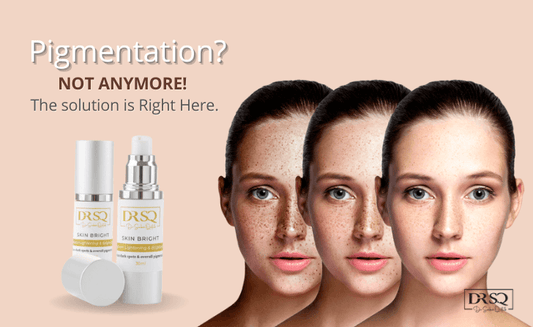
Pigmentation? Not Anymore! The solution is Righ...
Hyperpigmentation refers to a broad range of skin alterations that are often undesirable, such as dark areas left behind by...
Pigmentation? Not Anymore! The solution is Righ...
Hyperpigmentation refers to a broad range of skin alterations that are often undesirable, such as dark areas left behind by blemishes, sun damage spots, or hormone-induced melasma. These types of discolouration, which are often difficult to correct, are brought on by the melanocytes, the cells that give your skin it’s colour, depositing more pigment in deeper layers of the skin. The Ideal Remedy for Skin that Glows. Your basic skincare regimen usually consists of cleansing, toning, moisturising, and sunscreen. However, if a face Pigmentation Serum isn't included in this mixture, your skin won't receive the most satisfactory outcome. Continue reading to find out everything there is to know about face serums and the many benefits of utilising them if you are open to changing your skincare routine. What is a Face Pigmentation Serum? If you treat your daily skincare routine as a three-course dinner, particularly the one you do before bed, the face serum would be the main dish. Serums have active ingredients and optimum molecular size to penetrate deeper into the skin, hence treating the skin from the inside out. They are also packed with nutrients that are needed for optimum skin health. Face serums can be transparent, gel- or oil-based liquids typically referred to as mild moisturisers. Face serums include a higher concentration of functional chemicals than traditional moisturisers, such as hyaluronic acid, glycolic acid, and vitamin A,B & C. With a full concentration of active chemicals to address particular skin conditions, serums are thin, quickly absorbing liquids. Serums can produce significant results since they are so concentrated and they penetrate deeper into the dermis. The pigmentation of the skin is one specific issue that serums can help with. Pigmentation results when melanin, the pigment that gives skin its colour, is produced excessively. An uneven skin tone or dark spots may appear when melanin is produced in excess. If you are confused about numerous Pigmentation serums available in the market, here are some recommendations for you. Skin Bright Serum - An Active serum that brightens, calms, and decreases pigment production. Niacinamide, Symwhite, tyrosinase and melanin inhibitors, free radical blockers, and UV filters combine powerfully to enhance the effects of each ingredient in a cascade manner. Reduced pigment formation and skin brightness are the overall effects. Your skin has an even, brilliant glow after this treatment. Or you can check out our most popular Acne-Blemish Prone Skin Serum & Essentials Kit, right from here. How to Use Face Hyperpigmentation Serum for Best Benefits? Face serum is a concentrated facial treatment that delivers active ingredients directly to the skin. It can be used to target specific skin concerns such as wrinkles, fine lines, and dark spots. Face serum is typically applied before moisturiser and is available in a variety of formulas to suit different skin types. If you want to use face serum for the best benefits, follow these steps— Cleanse your face with a gentle cleanser. Apply the face Hyperpigmentation Serum to your face and neck. Gently massage the face serum into your skin. Allow the face serum to absorb into your skin for a few minutes. Follow with your usual moisturiser. Check out from our popular Cleanser Collections, I'm sure you'll love em' out… Last but not least, it is advisable to speak with our DRSQ professional team before including any product in your skin-care routine if you are concerned about any unanticipated negative effects. You can schedule a free appointment with our beauty specialist to get further advice. You can call us on 03 5211 4891 to book a free skincare consultation. We have a fantastic Essentials Kit with us that lets you in case you're interested in that… Get a Skin that is Radiant & Bright. You get a radiant, luminous complexion as the kit treats pigmentation and uneven skin tone. An activated charcoal complex detoxifying cleanser, a skin-brightening peptide serum, and a zinc-enriched UV shielding luminous moisturiser are the three components that make up this set. Most people's primary skin concerns have been uneven skin tone and pigmentation. For some people, elbow, neck, and other body part hyperpigmentation and darkening might cause self-esteem concerns. Even though you might think about seeking expert assistance, buying a quality pigmentation cream might be the first step toward achieving even beautiful-looking skin. Being individuals, each of us has a different type of pigmentation. A professional from DRSQ Skin Care can help you understand the nature of your skin and the optimal treatment and maintenance plan for you, which is better than having general guidance on treatment, UV protection, and pigment-inhibiting skincare.



Vitamin - A
View all-

Adapalene Vs Retinaldehyde: What to Pick for Yo...
Retinoids are super-effective compounds with proven efficacy in advanced skincare therapy. Whether it is adapalene or retinaldehyde, each offers distinct...
Adapalene Vs Retinaldehyde: What to Pick for Yo...
Retinoids are super-effective compounds with proven efficacy in advanced skincare therapy. Whether it is adapalene or retinaldehyde, each offers distinct pharmacological approaches to treating your skin concerns. They work through different biochemical pathways to address common skincare problems and have different absorption parameters. So, adapalene vs retinal: which one should you prefer? It depends on many factors, including your concern, skin type, the formulations, and more, which we will discuss in the blog. How Adapalene Benefits You Adapalene is an effective topical retinoid for treating acne vulgaris and ageing concerns. It is a third-generation retinoid that can regulate the skin cell turnover and reduce inflammation. If your skin is sensitive, going for adapalene will leave no room for regrets. The most common uses of adapalene are; Treating acne vulgaris Treating psoriasis Healing inflammation associated with eczema Protection from sun damage and actinic keratosis The phenomenon of increased cellular turnover can facilitate the shedding of dead skin cells, replenishing the skin's barrier and leading to soft, supple skin. How Retinal Benefits You Retinal, or commonly known as retinaldehyde, is another vitamin A derivative available over the counter, an affordable option primarily targeting ageing and acne concerns. It's mild on the skin and more efficient than retinol. Retinaldehyde tends to penetrate deeper into the skin layers to make it look voluminous and youthful. Furthermore, retinaldehyde is a remedy for breakout-prone skin, clears pores, and prevents acne blemishes. For sensitive skin types, retinaldehyde can be a better option, being gentler on the skin to treat conditions like rosacea, psoriasis, and melasma. Also Read: Retinaldehyde for Sensitive Skin: Is It Really Gentle Enough? How to Choose Between Adapelene and Retinal Choosing between adapalene and retinaldehyde is contingent upon various factors, including your skin concerns, its tolerance, affordability, potential risks, and skin type. Skin Concern & Type Adapalene works well for frequent acne or acne-prone skin, as it can regulate the sebum production in the skin. Retinaldehyde can show faster results in ageing, sensitive skin issues, and dryness and peeling. People with sensitive skin may find adapalene harsh on the skin, being a strong exfoliating agent. However, both are retinoids, and even retinaldehyde is not well-tolerated by everyone. A patch test is necessary. Tolerance Level Another factor not to be ignored is your skin's tolerance to these skincare ingredients. If your skin is new to retinoids, retinal may feel gentler to start with. You can increase your skin's tolerance to any of these ingredients by using them one to two times a week and then increasing gradually. You can notice how your skin behaves and if it reacts. A low and slow approach can work for everyone. Faster Results Retinal or retinaldehyde simply takes a single step to get converted into retinoic acid. This makes it faster-acting than some other retinoids. Can You Use Adapalene and Retinal Together Using retinaldehyde and adapalene together makes no sense. Both are retinoids and can increase the risks of inflammation, skin sensitivity, and irritation. These compounds together can contribute to promoting cellular turnover, and combining them can lead to peeling and redness, potentially over-exfoliating your skin and overwhelming its barrier. If you are a beginner to retinoids or have sensitive or reactive skin, trying this combination can majorly impact your skin. It’s advisable to stick with one and be consistent to witness magical changes. Adapalene Vs Retinal: Which is Better Both adapalene and retinaldehyde can perform wonders for your skin problems if used correctly or as recommended by a medical practitioner. How well these ingredients work and which is better for you is certainly dependent upon various factors. If you are struggling with types of acne, adapalene may work better for you. According to a study, adapalene is an FDA-approved ingredient for treating acne vulgaris. Retinaldehyde is mild for acne-prone skin and can serve as an option. While adapalene may improve your skin's texture, retinaldehyde is a better option to deal with ageing issues and boosts collagen for a firm appearance. Understanding Retinoids Retinoids are vitamin A derivatives or chemicals derived from vitamin A. These compounds are more or less like vitamin A, either structurally or functionally. While you can buy mild OTC forms to treat ageing concerns, like wrinkles, fine lines, and acne, strong forms can be obtained only through prescriptions given by your medical practitioner. Retinoids include diverse types, such as retinol (the most popular), retinaldehyde, adapalene, and retinyl esters. Retinoids can increase cellular turnover, regulate sebum production in your skin, and stimulate collagen production to target common skin issues, including ageing lines, sagging skin, post-acne hyperpigmentation, acne, and other signs of ageing. The Science Behind Retinoids Our skin has receptors, and retinoids work by binding to them, specifically. These receptors are crucial for skin behaviour, including controlling inflammation, skin thickening, and cell renewal. One is called retinoid acid receptors or RAR-α, β, γ, and the other one is retinoid-X receptors or RXR-α, β, γ. How Adapalene Works Adapalene is selective and binds to RAR-β and RAR-γ binding sites. Though the accurate mechanism behind this is yet to be studied, this collaboration makes it less irritating, even for reactive skin. This tie-up to the binding sites helps to regulate cell differentiation in the skin, making it a great ingredient for acne treatment. Also Read: Adapalene Vs Tretinoin: Comparing Them for Wrinkles, Uses, and Side Effects How Retinaldehyde Works Retinaldehyde is a precursor to retinoic acid, which makes it work faster than retinol. It requires a single step to become active. More potent than retinol, this vitamin A derivative binds to RAR-α, RAR-β, and RAR-γ and behaves as a remedial option for both anti-ageing and acne treatment. After converting to retinoic acid, retinaldehyde interacts with retinoic acid receptors (RARs) to promote cellular turnover and collagen production. Available Forms & Dosage Adapalene You can find adapalene in generic formulations or as Differin, suitable for dermatological applications in the following topical dosage forms; 0.1% topical cream or gel 0.1% topical lotion or solution 0.3% topical gel If you want to buy an OTC adapalene, 0.1% is available without a prescription. Retinal Retinal is available over the counter in various formulations, making it easy to buy without a prescription. It's available in the following topical dosage forms: 0.01% to 0.1% cream or serum: commonly available concentrations in the market 0.25% cream or serum: ideal for beginners 0.50% cream or serum: for those who have built some tolerance 1% cream or serum: for advanced users DRSQ Starter Vitamin A Serum with 0.25 is clinically proven to reverse the topical signs of ageing, including loose skin, fine lines, and wrinkles. It is indicated for the skin never been exposed to vitamin A before. Potential Side Effects of Using Adapalene or Retinal These potent retinoids may or may not suit your skin, especially in the beginning. The likelihood of reaction can vary from person to person or skin type. Some common side effects are; Itching Burning Sunburn Peeling and redness Dryness and roughness If there are very few side effects, use moisturisers to combat them. Individuals with deep skin tones may develop pigmentation due to the constant irritation. If not stopped immediately after seeing adverse side effects, one may get serious allergies and skin reactions, which require sincere and long-term medical attention. Some retinoids may induce discomfort near the thin-skinned eye area, resulting in dry eyes and itching. Tips for Using Adapalene and Retinal According to experts, adapalene and retinaldehyde can be introduced into your skincare with some precautions. Begin with a low concentration and use one to two times a week. Don't rush with your product, no matter how bad your skin concern is. Introduce the ingredient slowly so your skin can become habituated to the formulation. Always follow a proper and doctor-approved skincare routine. Be sure to cleanse your skin, apply the product, and follow up with a non-comedogenic moisturiser. You can try hyaluronic acid, ceramide, or aloe vera-infused moisturisers to soothe your skin. Don't combine adapalene or retinaldehyde with other ingredients without consulting your doctor. They will advise you after analysing your skin. Both adapalene and retinaldehyde may increase your skin's sensitivity towards the sun. Use an SPF to protect your skin. A broad-spectrum sunscreen with at least SPF30+ can shield your skin from harmful sunrays. When to Avoid Retinoids Though adapalene and retinaldehyde are highly effective and can impart major positive changes to your skin, people with certain scenarios should avoid either of them. Individuals with compromised skin barrier or extremely reactive skin should avoid using any of these ingredients, as they can contribute to increased sensitivity rather than doing any good. Pregnant women and breastfeeding mothers should not look up retinoids like adapalene or retinaldehyde, or at least consult their doctors before considering applying them. Some medical practitioners suggest avoiding using them as they can cause fatal harm by getting absorbed into your bloodstream. It's advised to keep your retinoids out of the reach of your children, especially those under 12 years of age, as they can be too harsh on their skin. If you are on certain medications, talk to your doctor if adapalene or retinaldehyde can be used on your skin. If you notice no results even after weeks or months of applying either of these retinoids, it's better to switch to another ingredient. Your doctor may recommend something else to treat your concern. Key Takeaways Adapalene and retinaldehyde are retinoids but serve different purposes. Adapalene is more effective for acne-prone skin, while retinaldehyde can reduce signs of ageing. Adapalene is selective and binds to RAR-β and RAR-γ, which is why it is less reactive. On the contrary, retinaldehyde just needs one step to get converted into retinoic acid. It is not advisable to use adapalene and retinaldehyde together as they both are retinoids and exfoliants, and can increase the chances of skin irritation and peeling. Both of these can result in redness, inflammation, and itching if your skin is too reactive or the barrier is broken. Precautions are necessary. Ensure a patch test before use. Begin with a low concentration and increase slowly. Incorporate moisturiser and sunscreen to manage your concerns. References: Melika Motamedi, Ahmad Chehade, Ravina Sanghera, Parbeer Grewal, "A Clinician's Guide to Topical Retinoids", 2022 Feb Sree S Kolli, Danielle Pecone, Adrian Pona, Abigail Cline, Steven R Feldman, "Topical Retinoids in Acne Vulgaris: A Systematic Review", 2019 Jun T Futoryan, B A Gilchrest, "Retinoids and the skin", 1994 Sep John Waugh, Stuart Noble, Lesley J Scott, "Adapalene: a review of its use in the treatment of acne vulgaris", 2004 John Waugh, Stuart Noble, Lesley J Scott, "Spotlight on adapalene in acne vulgaris", 2004
-

7 Myths About Vitamin A That Are Keeping You Fr...
Myths are very common in the skincare industry, and they often do more harm than good and can hold you...
7 Myths About Vitamin A That Are Keeping You Fr...
Myths are very common in the skincare industry, and they often do more harm than good and can hold you back from achieving your goals. If you are a Vitamin A beginner or are planning to start using it, it’s very important to debunk the myths associated with this wonder ingredient so you can get maximum benefits and keep your skin safe from wrong practices. In this blog, we’re breaking down 7 common myths about Vitamin A Vitamin A: 7 Myths vs. Facts Explained Myth 1: More vitamin A means better skin Some people believe that using more products will give beneficial results in less time. It's just not a myth, but it can harm the skin too. Vitamin A, including retinol and retinaldehyde, should be used with proper attention and care. Fact 1: A little amount is enough Using too much product can impart short and long-term side effects like dryness, peeling, and irritation. A pea-sized amount is more than enough for the entire face. Factors like using the right concentration, a good brand, type of vitamin A, and how you’re incorporating it into your skincare regimen work. Myth 2: Retinoids can't be applied to sensitive skin Not all retinoids are created the same. While retinol can be a little harsh for the sensitive or reactive skin in some cases, and should be used with the doctor's supervision and care, retinaldehyde is an alternative with similar properties. Fact 2: Retinaldehyde is gentle enough for sensitive skin Retinaldehyde is a milder option for sensitive skin with a higher potency. It is suitable for skin that often reacts to certain triggers. If your skin is sensitive, and you’re looking for an anti-ageing treatment, retinaldehyde can do benefits for you. Myth 3: Vitamin A gives instant results No skincare ingredient can give immediate results, be it any form of vitamin A. It is common for people to expect instant transformation after seeing unrealistic advertisements or overhyped products. But there is a gradual process of every skincare active that takes its time. Fact 3: Visible results take time and patience Vitamin A begins working at the cellular level, so you may not see the results initially, especially for the first few weeks. Significant changes can be noticed in fine lines, pigmentation, and other ageing signs after consistent usage for a longer period. Myth 4: Vitamin A thins the skin Many people blame prolonged use of vitamin A for the shedding of the skin. It is one of the most common vitamin A myths believed by the majority of skincare enthusiasts. Where some ingredients can be responsible for thinning the skin, vitamin A stays out of that list. Fact 4: Vitamin A actually builds collagen They do not carry this risk and, in fact, work in the opposite direction. Vitamin A can produce new collagen in the skin and thicken the dermis if used correctly. Myth 5: Young adults should avoid retinoids Individuals in their early 20s tend to believe that vitamin A is only for mature skin, reserved for those concerned about ageing. This is a reason why many young sufferers are often told to wait. The key is not to avoid them, but to use them wisely. Fact 5: Retinoids are proven to treat acne, making them suitable for young adults The truth is retinoids are beneficial for young adults, improving various acne types, clogged pores, and even premature signs of ageing. When you begin early, start with the right formulation and low concentration. A doctor's advice is recommended at this stage. Moreover, they can help regulate cell turnover and even support long-term skin health. Myth 6: Retinoids are only for anti-ageing This is a very limiting belief that stops many individuals to stay away from using retinoids. Retinoids are good for anti-ageing concerns, like fine lines, wrinkles, and skin folds. That’s just one part of what they do. Facts 6: Retinoids treat a range of concerns Retinoids are multi-functional. From unclogging pores, managing the sebum production, and producing new collagen in the skin to improving the overall skin texture and radiance, retinoids are a proven group of ingredients beneficial for a wide range of skin concerns. Myth 7: Retinoids are unsafe for long-term use It's another common myth that vitamin A is a harsh skincare active; thus, using it for a longer duration is harmful to the skin. This misconception arises from the fact that the initial side effects are normal with vitamin A derivatives, and they fade over time when your skin gets used to this ingredient. Fact 7: Retinoids are safe for long-term use However, this isn’t true. Vitamin A is beneficial and safe for long-term use if used correctly. In fact, they are made to deliver their best results over longer durations. One needs to be patient as well as consistent. Finding the Right Vitamin A Knowing about vitamin A is one thing, and deciding which one you should use is entirely another. This is where many people get stuck. Vitamin A comes in various forms, including retinaldehyde, retinol, and retinoic acid, each varying in strength and how fast they respond to your skin concern. Retinol needs two conversion steps to reach retinoic acid and start working, whereas retinaldehyde requires only one conversion step. Hence, it works faster than retinol and is often chosen by individuals seeking quicker results. Retinaldehyde is milder and more potent than retinol. This makes people switch to the former one, especially those with sensitive skin. Starter Vitamin A With 0.25% Retinaldehyde If you are a vitamin A beginner and seeking a non-irritant serum with retinaldehyde, Starter Vitamin A is made for you. It has 0.25% retinaldehyde combined with niacinamide, tetrapeptide-30, and hyaluronic acid. Retinaldehyde improves collagen in the skin, and niacinamide targets post-acne hyperpigmentation and balances oil. Tetrapeptide-30 in the serum provides a significant anti-inflammatory effect while hyaluronic acid moisturises deeply. Wrap Up Vitamin A is among the most popular skincare ingredients, but many people hesitate to use it due to the myths associated with it. It’s very important to understand whether what you’re hearing is actually true or just a myth. Make sure to correct your information so you can use Vitamin A smartly and effectively. References Melika Motamedi, Ahmad Chehade, Ravina Sanghera, Parbeer Grewal, "A Clinician's Guide to Topical Retinoids", 2022 Jan-Feb Sree S Kolli, Danielle Pecone, Adrian Pona, Abigail Cline, Steven R Feldman, "Topical Retinoids in Acne Vulgaris: A Systematic Review", 2019 Jun K Tsukida, "Retinoids", 1993 Apr J J Leyden, "Retinoids and acne", 1988 Jul T Futoryan, B A Gilchrest, "Retinoids and the skin", 1994 Sep
-

Retinaldehyde for Sensitive Skin: Is It Really ...
Retinoids have proven to be very helpful for everything from ageing to acne, but can you use them on your...
Retinaldehyde for Sensitive Skin: Is It Really ...
Retinoids have proven to be very helpful for everything from ageing to acne, but can you use them on your sensitive skin? The answer is yes. Not all retinoids are made the same. Retinaldehyde is a gentle option that can help with sensitive skin signs. If you want to use retinaldehyde for your sensitive skin, read this blog. In it, you’ll find out which concerns you can use it for, how to use it, and recommended products as well. How to Determine Sensitive Skin Sensitive skin is characterised by reactive behaviour it shows to certain triggers. Triggers include topical products, ingredients, stress, diet, or even weather changes. One may notice redness, flare-ups followed by itching and burning after applying skincare, or have to deal with flushes and blotchy patches in response to spicy food or temperature changes. Clinically, sensitive skin often goes hand-in-hand with skin conditions like eczema and rosacea. But it's always smart to contact your doctor for a formal diagnosis. Before starting any skincare on sensitive skin, it’s important to do your research or choose products that are specifically made for your skin and are safe. What Is Retinaldehyde Retinaldehyde is a vitamin A derivative that is popular for its mild properties. It offers similar benefits to retinol and is often used as a gentler alternative. Though it takes only a single step to convert into retinoic acid, delivering faster results in some cases. Retinaldehyde helps reduce fine lines and wrinkles, boosts collagen production, and contributes to skin elasticity. Other concerns in which retinaldehyde can show positive results include various types of acne, hyperpigmentation, poor skin texture, and beyond. Also Read: Retinol vs Retinaldehyde: What Sets Them Apart? Can Retinaldehyde help with Sensitive Skin Concerns Yes, retinaldehyde can help with concerns associated with sensitive skin. In fact, it is a good option for individuals who want to use retinoids in a milder way. It has more potency than retinol; hence, one can expect faster results while irritating the skin less. Moreover, it is more stable than retinol, too, indicating a lower chance of product degradation. How Does Retinaldehyde Help the Sensitive Skin For those dealing with fine lines and uneven skin texture, retinaldehyde can increase the cellular turnover. If post-acne hyperpigmentation is your concern, whether it’s related to sun damage, post-inflammatory marks, or hormonal changes, retinaldehyde or retinal can regulate melanin production and fade discolouration. It's a powerful option for acne-prone, sensitive skin, owing to its ability to unclog pores and reduce the bacteria that contribute to breakouts. One struggling with dullness can rely on this ingredient due to its gentle resurfacing action to bring back fresher and brighter skin. How to Use Retinaldehyde for Sensitive Skin Introducing retinaldehyde right into your skincare plays an integral role in how your skin responds, especially if your skin is reactive. Here's how you can do it most appropriately: Start with two to three times a week. This helps your skin to adapt to the ingredient and lets you decide if you can increase the frequency. Layer it properly. Applying retinaldehyde to damp skin can increase the penetration, reducing the irritation risks. Cleanse your sensitive skin and make it dry before using retinaldehyde, and follow with a lightweight moisturiser to seal the hydration. Use SPF every morning. SPF is a must, especially when you are using retinoids, as they can increase photosensitivity. Include a broad-spectrum sunscreen with SPF 30 or higher in your morning skincare regimen. Don’t overdo. Don’t mix other actives with retinoids such as AHAs or BHAs. in the same routine, especially when you have just started. Still, if you feel any other ingredients are necessary, you can talk to a doctor for advice. Be patient. While waiting for results can be irritating, patience combined with consistency is the key to achieving long-term results. Real results from any retinoid take time. One can expect subtle improvements in texture and tone after six to eight weeks, while significant changes can be noticeable at three to six months. Retinaldehyde Serum for Sensitive Skin DRSQ has curated vitamin A serums with retinaldehyde in three strengths, made for beginners to advanced users for every stage of your age-defying journey. Since all three of them are infused with retinaldehyde, they are made suitable for sensitive and reactive skin types. Starter Vitamin A: This is for vitamin A beginners to help the skin adapt to the ingredient. If you are dealing with topical signs of ageing, pigmentation and loose skin, Starter Vitamin A with 0.25% retinaldehyde can help improve the condition. Miracle Pro Vitamin: Miracle Pro Vitamin has 0.5% retinaldehyde for intermediate-level vitamin A users to fight the ageing signs, boost the skin's immunity, and even out the tone. Advanced Vitamin A: This serum can help you if your skin can tolerate the high-strength vitamin A. With 1% retinaldehyde, Advanced Vitamin A serum has one of the strongest anti-ageing effects. Potential Side Effects of Retinaldehyde for Sensitive Skin Despite its gentle nature, retinaldehyde can still affect your skin and impart side effects, particularly in the early weeks of use. It's worth knowing what's normal and what warrants a pause. When you introduce the retinoid to your skin, it takes a little time to adjust. During this phase, mild flaking, dryness, and sensitivity can be normal. Some of the common side effects of retinaldehyde are; Tightness Flaky patches Rough texture Redness Burning Stinging) Dryness Peeling Increased sensitivity to sunlight Temporary breakouts (purging) Itching If you experience abnormal peeling, stinging, or burning, consult your doctor immediately. Conclusion Retinaldehyde does well when it comes to replacing retinol for sensitive and reactive skin. It's more effective than retinol and milder than prescription retinoic acid, making it a safe option for individuals with sensitive skin. Simply use it wisely; start slow, moisturise the skin, and always follow with an SPF in the morning. References Hyuck Sun Kwon, Ji Hae Lee, Gyong Moon Kim, Jung Min Bae, "Efficacy and safety of retinaldehyde 0.1% and 0.05% creams used to treat photoaged skin: A randomized double-blind controlled trial", 2018 Jun Malwina Zasada, Elżbieta Budzisz, "Retinoids: active molecules influencing skin structure formation in cosmetic and dermatological treatments", 2019 Aug Siddharth Mukherjee, Abhijit Date, Vandana Patravale, Hans Christian Korting, Alexander Roeder, Günther Weindl, "Retinoids in the treatment of skin aging: an overview of clinical efficacy and safety", 2006


Peptides
-

How to Use Peptides for Young, Healthy Skin
Peptides have been one of the best-kept skincare secrets and are among the most effective anti-ageing and skin-repair ingredients, helping...
How to Use Peptides for Young, Healthy Skin
Peptides have been one of the best-kept skincare secrets and are among the most effective anti-ageing and skin-repair ingredients, helping in stimulating collagen production and skin hydration. Far from being all the talk and buzz, they genuinely can uplift your skincare regimen. But what are peptides really? And when, why, and how should you use them? Let's break down everything you should know about peptides before adding them to your regimen in this blog. What Are Peptides? Peptides are short strings of amino acids and serve as building blocks of protein and elastin fibres, occurring naturally in your body. We can say that when several peptides bond with each other, they form a protein. They are already present in every body cell and are a good source of energy, but tend to decrease with ageing, hence you are required to add them externally. These are must-have ingredients, and there’s science to back that up. With age, your skin tends to lose collagen, causing it to become lax and saggy. Peptides boost collagen synthesis. They can penetrate through the uppermost layer of the skin and send signals to cells, triggering collagen production. How Peptides Benefit Your Skin Adding peptides to your skincare routine means you are stimulating your cells to produce more collagen, resulting in younger-looking, softer, and smoother skin. A 2021 review found that signal peptides can help reduce early signs of aging, moisturize the skin, repair the barrier, and even soothe inflammation. They also train and revitalise the skin cells over time, restoring hydration, firmness, and the skin microbiome. Here’s what you must know about peptides and how they benefit your skin; 1. Fight Signs of Ageing Peptides are infused in a broad range of anti-ageing skincare products, from face serums, eye serums, to exfoliants, to help you combat and restore your skin's firmness and reduce visible signs of ageing like fine lines, wrinkles, and smile lines. Matrixyl is one of the active ingredients used in many anti-aging products. It is a synthetic peptide that helps in stimulating collagen production. 2. Soothe Inflammation Inflammation can cause redness, irritation, stinging sensations, and sensitive skin. People with certain skin conditions can experience inflamed skin, including dermatitis, rosacea, or eczema. Using peptides like Acetyl Hexapeptide-49 and Acetyl Tetrapeptide-15 can soothe and heal the skin. They have anti-inflammatory properties to fight inflammation and associated conditions. They can also help in making your skin tone even and repairing the damaged areas. 3. Refine Skin Texture Two peptides, Palmitoyl Tripeptide-5 and GHK-Cu, aid in improving the skin’s texture and can reduce acne scars efficiently. They are crucial to restoring the natural barrier function of your skin and getting a healthy, even tone. 4. Hydrate Your Skin Our skin needs hydration regardless of its type. There is a common misconception that oily skin does not need moisturiser, but it does. Using products that have peptides can fulfill the requirement of the skin’s hydration. Palmitoyl Tetrapeptide-7 can maintain your moisture levels and end up reducing flakiness and excessive dryness. Popular Peptides for Skincare But not all peptides are created equal. Different peptides work for different concerns. Here are some of the most common peptides that you often see on the labels; Argireline: This peptide can reduce the movement of muscles that form wrinkles and mimics Botox-like properties. It is often used in anti-ageing serums and moisturisers. SNAP-8: SNAP-8 peptide is known for its anti-ageing benefits. It works similarly to Argireline by relaxing facial muscles and reducing fine lines. If you are struggling with forehead lines and crow's feet, SNAP-8 can be a remarkable choice. Tetrapeptides: A popular kind of peptide that helps to reduce discolouration of your skin, making it even in tone. It is highly supportive in improving the elasticity of the skin, making it look youthful and radiant. Matrixyl 3000: Another popular choice for a wide range of products, it not only stimulates the production of collagen but also repairs the collagen proteins. Skincare experts recommend this to fight premature signs of ageing. Palmitoyl Peptides: The other name for this synthetic peptide is pal-GHK. Using Palmitoyl peptides can work to reverse the damage done by environmental pollution and sun exposure. One of the most liked characteristics of peptides is that they do not settle on the upper layer of the skin but tend to penetrate into it. How to Choose a Peptide-Containing Skincare Product Go beyond the label while choosing a peptide product from a rack in the store. Here’s how to look for the most suitable one. Understand Your Skin Type & Concerns: Peptides work for a lot of problems together, including ageing, sensitive skin, uneven texture, and more. You must have a basic understanding of your skin type and the concern you’re facing to catch the right peptide product. Go for the right form: Not all peptides work the same way. So, just having a peptide in your product is not enough. You can also ask your doctor to advise you on the same. Look for the Combination Ingredients: Check whether the combination of the peptide with the other ingredients works for your skin. Usually, peptides work well with hyaluronic acid, niacinamide, and antioxidants. Hyaluronic acids or Vitamin C is a constructive formula, but alpha hydroxy acids (AHA) may be a harsh and less effective combination. DRSQ Formulations with Peptides DRSQ uses science-backed peptides to create effective skincare formulations. From wrinkle-reduction, skin regeneration with SNAP-8, to providing a significant anti-inflammatory effect with Palmitoyl Tripeptide-8, each peptide product is carefully made to boost collagen production. Hydrafusion Snap 8 Peptide Moisturiser for Dry Skin: With the coveted SNAP 8 peptide combined with hyaluronic acid and biomimetic lipids, it can provide the complete cellular rejuvenation of your flaky, damaged skin. Ultra C Serum with 15% Peptides & 25% Vitamin C: 15% active peptides in this formula protect against DNA cell damage induced by UV exposure, promote collagen synthesis, and may reduce the appearance of post-acne hyperpigmentation. Eye Restore Snap-8 Brightening Eye Serum: It is an eye serum for dark circles, wrinkles, and roughness around the eyes. SNAP-8 (Acetyl Octapeptide-3), Palmitoyl Oligopeptide & Palmitoyl Tetrapeptide-7 can slow the ageing process in the under-eye and orbital region. Advanced Repair Tetrapeptide - 30 Rejuvenating Cream: It helps in wrinkle reduction, DNA repair, and provides intense hydration, making your skin all smooth and youthful. This ultimate DNA-reconstructing moisturising cream has potent active ingredients, including lipids, vitamins, and antioxidants, along with tetrapeptide-30. Wrap Up The impact of peptides in skincare is anything but tiny if you use them intelligently. They can reconstruct your skin by penetrating the deeper layers and boosting the collagen synthesis. From reducing wrinkles, tightening loose and sagging skin, it hydrates and strengthens the skin's barrier. Moreover, don't just grab any peptide-containing product. Ensure your chosen formulation is aligned with what you're looking for. References: "Exploring Peptides in Skincare”, 2023 July-SepAgnieszka Skibska, Renata Perlikowska, "Signal Peptides - Promising Ingredients in Cosmetics", 2021Haseeb Ahsan, "Immunopharmacology and immunopathology of peptides and proteins in personal products", 2019Jordan V Wang, Georgette Hattier, Nazanin Saedi, "Tripeptide/Hexapeptide Topical in Esthetics: Evidence behind the Skincare Formulation", 2021 AprTolulope Joshua Ashaolu, "Applications of bioactive peptides in cosmeceuticals: a review", 2025 Jun
